CROWN / Music

Nenad Bach and Darko Žubrinić

Classical Music

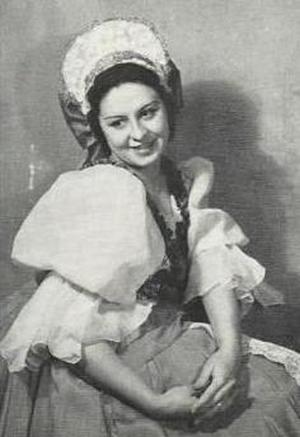
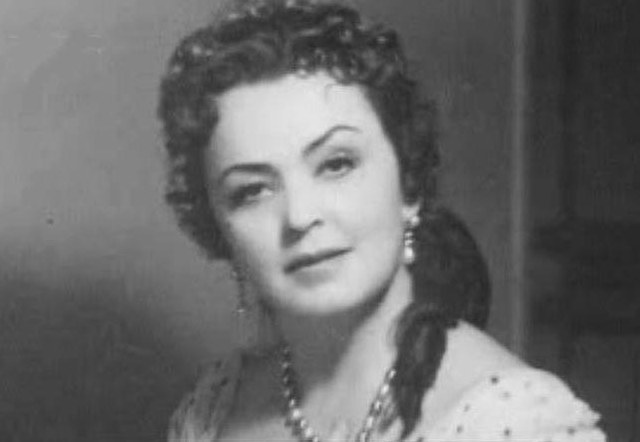
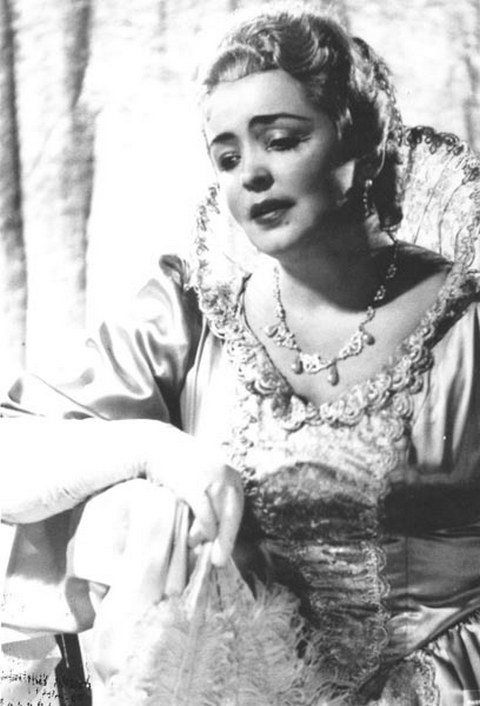
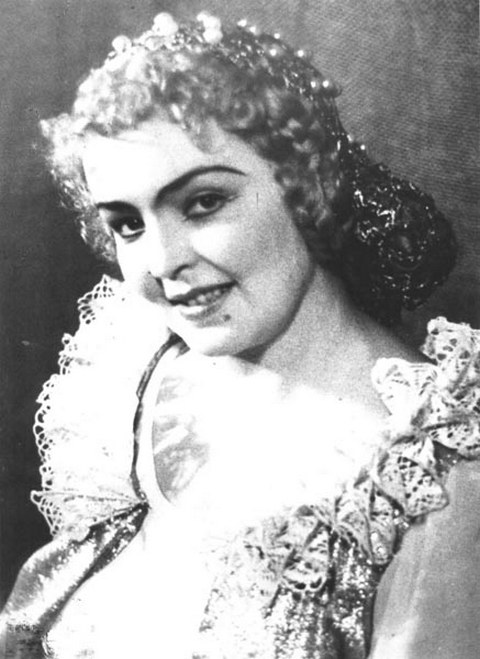
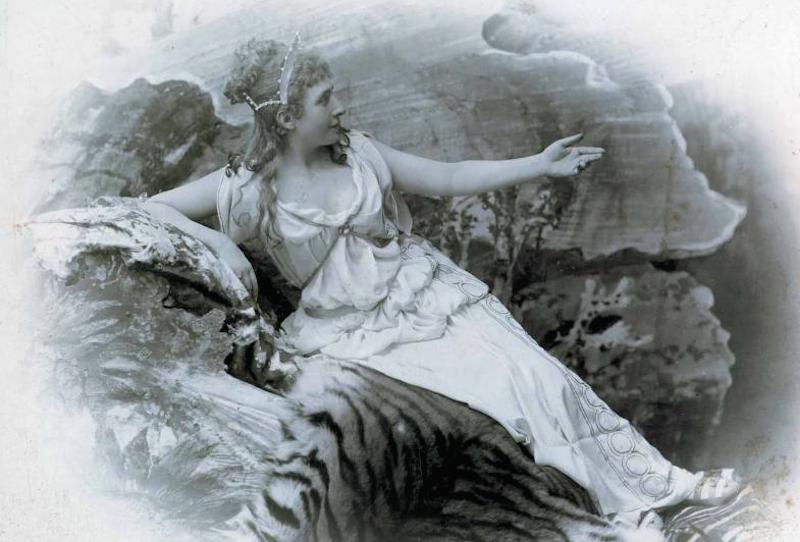
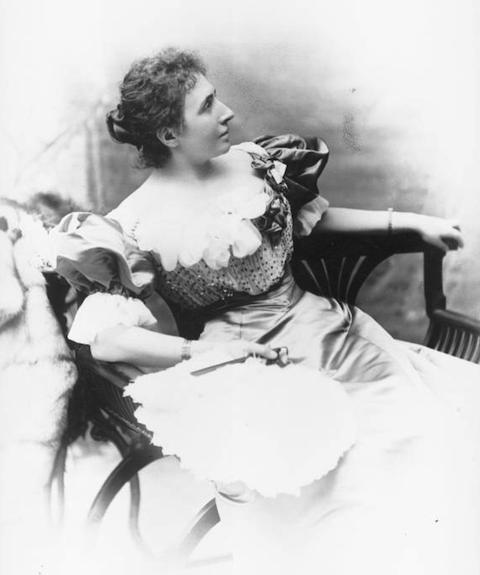
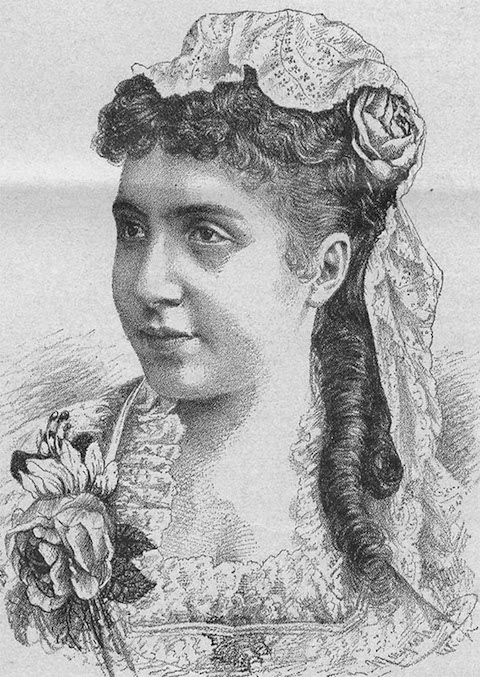
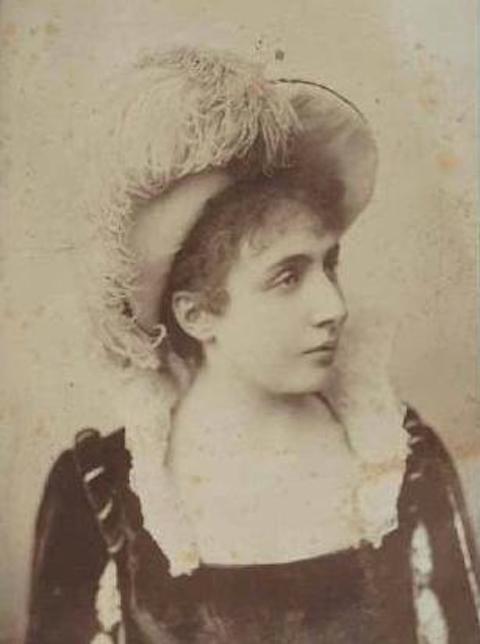
Sena Jurinac 1921-2011 legendary Croatian artist who shaped the entire opera world

By Nenad N. Bach and Darko Žubrinić
Published  01/28/2012

Educated in Croatia's capital Zagreb, where she had started her opera career in 1942
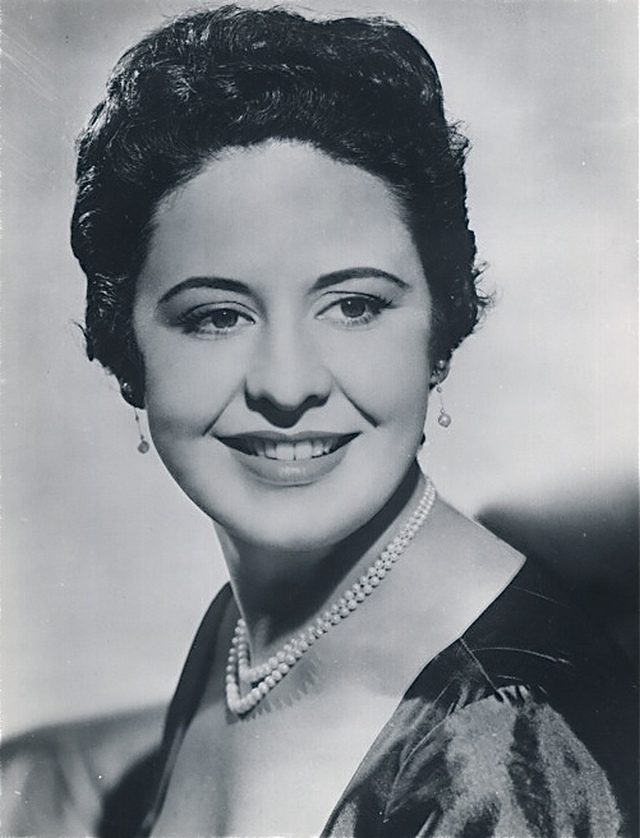


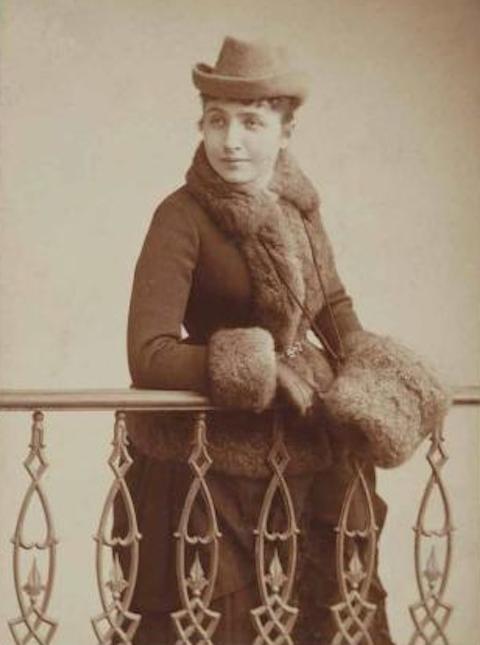
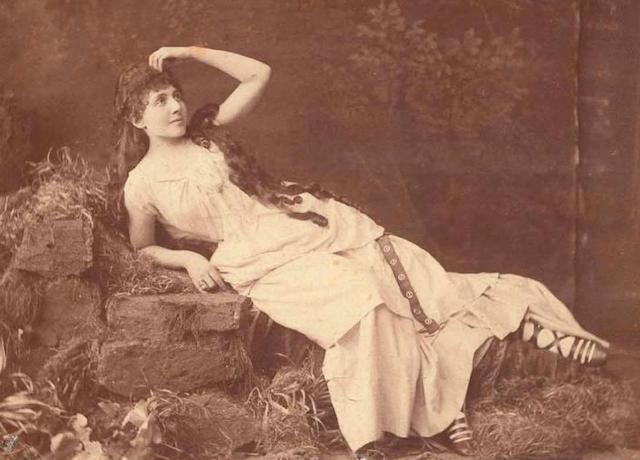
Sena Jurinac, 24 October 1921 - 22 November 2011, legendary Croatian opera singer


Srebrenka (Sena) Jurinac

Sena Jurinac (originally Srebrenka, from srebro - silver) was born on 24 October 1921 in Bosnia and Herzegovina in the town of Travnik north of Sarajevo. Her father was a respected Croatian physician from Varaždin (a very nice Croatian Baroque city on the north of Zagreb), while her mother was an Austrian from Vienna. At the age of 10, that is, in 1932, she moved to Croatia's capital Zagreb. Upon the advice of Oskar Jozefović, then the director of the Zagreb Opera, she started to study singing in the class of Milka Kostrenčić (also the teacher of another great Croatian singer Zinka Kunc Milanov 1906-1989). She was extremely successful at the admission exam to the Zagreb Academy of Music. Already as a student of the third year on 16 May 1942 she had a great success in Croatian National Theatre in Zagreb in the role of Mimi in Puccini's La Boheme. Ivan Brkanović (1906-1987), distinguished Croatian composer, wrote about her at that time to be `an artist of great format, the singing dispositions of which permit us as the greatest hopes, while her singing reveals completely established artistic personality'. Furthermore, he added that `her every phrase is a proof of exceptional musicality and intelligence in understanding and performance.'

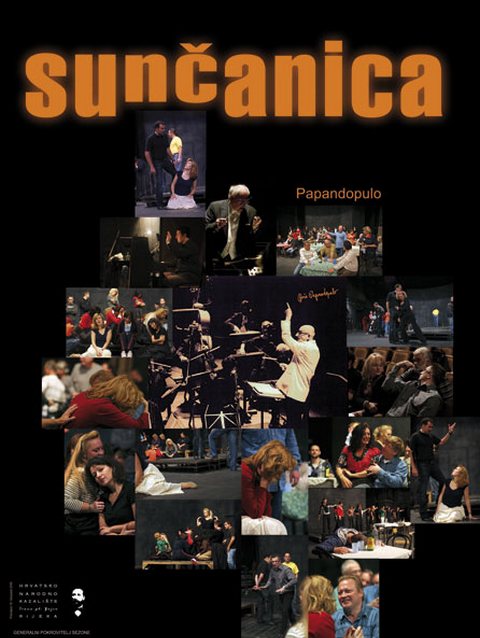
After that Sena Jurinac had a leading role at the age of 21 in the premiere of Sunančica (ie. Sunny, 13 June 1942), the opera by Croatian composer Boris Papandopulo, in Morana by Jakov Gotovac (1895-1982, another great Croatian composer), and then in the operas by Wagner, Werner Egk, Mozart etc. In 1943 she had a role of a countess in the biographical film about the first Croatian opera composer Vatroslav Lisinski (1819-1854). Despite the ongoing tragic Second World War, after the advice of her friends in Zagreb she went to Vienna to be audited at the State Opera by the famous maestro Karl Böhm. He remembered his fisrt encounter with her: `When in 1944 among other candidates sang a certain Srebrenka (I was not able to pronounce her name) Jurinac, I listened to her with great interest. I did not hear such a beautiful voice of southern timbre for a long time. As the then director of the Opera I firmly decided to tie this musical jewel to the House that I directed. ... For her it is indeed true what she herself repeated infinitely many times about her famous role of Composer in Strass' Ariadna on Naxos according to which she lived, that the Music is a sacred art.'

In 1945 she moved from Zagreb to Vienna, and her great career lasted until 1983, when she retired. It is interesting that Srebrenka (Sena) had her first public appearance for the Austrian Radio in Vienna already in January 1945, participating in the Croatian opera Nikola Šubić Zrinski by Ivan Zajc (1832-1914; a famous tune `U boj, u boj' is a part of it) under the baton of Lovro von Matačić. Lovro von Matačić was distinguished Croatian conductor, one of the greatest in history.

On the 1st May 1945 she had her first appearance in the building in Volksopera in Vienna. Already in 1948 she was singing in Salzburg under Herbert von Karayan, and the same year registered her opera interpretations for the Columbia company. She sang in the Scala, Covent Garden, on festivals in Glyndebourne and Edinburgh. In the State Opera in Vienna she completed 44 roles in 1268 appearances.

Under the baton of Lovro von Matačić she was shining in Dubrovnik and Zagreb in 1970 as Leonora in Fidelio by Ludwig van Beethoven. The same year she visited Zagreb with the ensemble of the State Opera in Vienna in the role of Composer in Ariadna auf Naxos by Richard Strauss.

She celebrated her eightieth birthday (2001) also in the Croatian National Theatre in Zagreb. On that occasion she received the Lovro Matačić Prize from the Croatian Society of Music Artists. In 1996 she was decorated with the medal of Danica ilirska with the figure of Marko Marulić.

On the occasion of her 90th birthday Croatian National Theatre in Zagreb performed Puccini's opera La Boheme (on the same stage and in the same opera where she had the debut in 1942).

Sena Jurinac received the title of Kammersängerin and the Mozart Medal from the State Opera in Vienna.


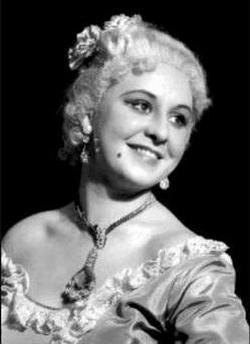
Srebrenka Jurinac singing in Zagreb 1943. Source of the photos www.youtube.com.


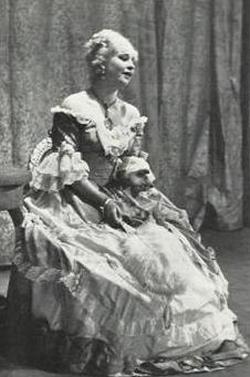
Srebrenka Jurinac singing in Zagreb 1944.


In Memoriam (24. 10. 1921 - 22. 11. 2011)

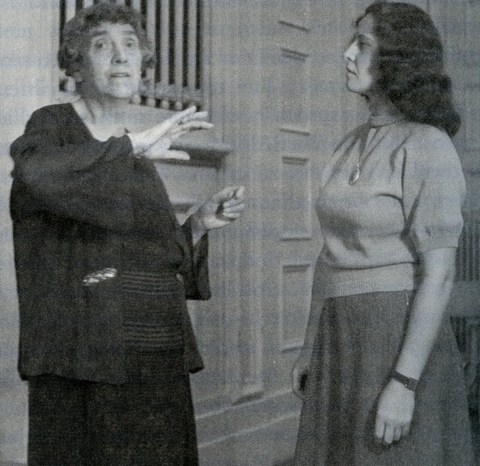
The great Croatian soprano in the first flush of her youth as a singer. Two lieder are featured here in these 1944 recordings made in Zagreb. The title photo shows the young soprano listening attentively to instructions on stagecraft from the legendary Austrian dramatic soprano Anna Bahr-Mildenburg, taken in Salzburg in 1943.

1) Ich liebe Dich (Edvard Grieg)

2) Träume (Richard Wagner)

The pianist is unknown.
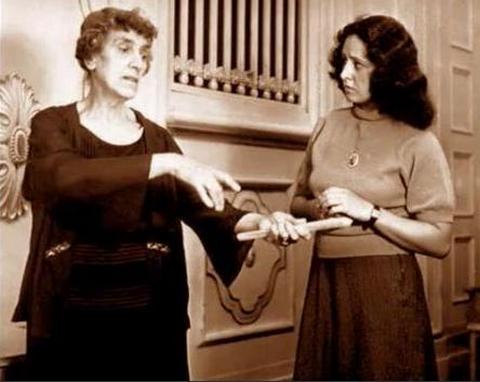


Anna Bahr-Mildenburg and Srebrenka Jurinac in Salzburg 1943.


Much-loved soprano Sena Jurinac has died
October 24, 1921 – November 22, 2011

The Croation-Austrian soprano Sena Jurinac has died in Germany; she was 90.

After study at the Zagreb Academy of Music she made her debut in the city as Mimě and soon moved onto roles such as the Figaro Countess, Freia and created the role of Isabella in Werner Egk's Columbus (1942). In 1944 she joined the Vienna State Opera company and also changed her name from Srebrenka to Sena, apparently at the suggestion of Karl Böhm's secretary. War delayed her State Opera debut and she finally appeared there in 1946 as Cherubino.

She was first heard in London in 1946 (as Dorabella) when the Vienna State Opera company toured, and sang at the Salzburg Festival the following year. During the 1950s she was a frequent visitor to England appearing both at Covent Garden and at Glyndebourne (where she sang many of the principal Mozart roles). Her Countess and Ilia were both recorded by EMI; Figaro under Gui and Idomeneo under Fritz Busch.

Jurinac's voice hovered between soprano and mezzo, and she sang roles written for both voice-types, so she performed the three roles in Der Rosenkavalier (her portrayal of Octavian is captured on film in the Paul Czinner/Karajan film), as well as the Composer (Ariadne), both Marzelline and Leonore (in Fidelio – a wonderful live recording under Klemperer has been issued on Testament) as well as Marie (Wozzeck), Pamina, Tosca, Marina and Fyodor (Boris Godunov).

In a Gramophone interview with Alan Blyth in May 1990, Jurinac spoke with warmth of many of the conductors with whom she worked: Fritz Busch ('He was very tough with me altogether but he was a real Svengali. Had he lived longer, I think I would have had more confidence in myself.'), Karajan, Krips and Klemperer.

Alan Blyth who saw her many times commented that 'When Jurinac was on stage, you knew instinctively that your heart, like hers, was to be involved and not just your intellect. It is a precious and unlearnable gift. Amazingly enough, her records convey much of this – or they do at least to those of us lucky enough to complement the voice with the treasured memories of her stage appearances. Thank goodness, she is conveying as much of her art as is transferable to a new generation of singers. They should heed her advice.'

Source www.gramophone.co.uk


Sena Jurinac - W.A. Mozart Don Giovanni "Mi tradi quell`alma ingrata"


W.A. Mozart Don Giovanni "Mi tradi quell`alma ingrata"
Sena Jurinac - Donna Elvira
Carlo Maria Giulini - Director, RAI 07/04/1970


Sena Jurinac obituary
Alan Blyth, 23 November 2011

Sena Jurinac, who has died aged 90, was one of the best-loved, most accomplished sopranos of her generation and a favourite at Glyndebourne and Covent Garden. After her performance in Der Rosenkavalier at the Royal Opera House, the son of the librettist Hugo von Hofmannsthal sent her a telegram saying that she was the most beautiful, the most deeply felt Marschallin he had ever seen. In Vienna and Salzburg, she was encouraged by the conductor Herbert von Karajan.

Jurinac's chief trademarks were a rich, full, vibrant tone and an absolute directness and sincerity of expression. Those qualities, combined with her good looks, made her a favourite in every operatic centre that she graced.

Born Srebrenka Jurinac at Travnik, in Bosnia-Herzegovina, to a Croatian doctor father and a Viennese mother, she made her debut at 21 at the Zagreb Opera in a demanding a role for a young singer – Mimi, in La Bohčme. In 1945 she was engaged by the Vienna State Opera, and was soon a treasured member of what was then a unique ensemble.

She quickly became a Cherubino (Le Nozze di Figaro), a Marzelline (Fidelio), a Composer (Ariadne auf Naxos) and, above all, an Octavian, the Marschallin's lover, to cherish. She was also admired in such Puccini roles as Manon and Mimi. Her London debut was as Cherubino, when the Vienna State Opera came to Covent Garden for its legendary season in 1947. But it was with Glyndebourne, as Ilia (Idomeneo), as Dorabella (her debut part with the company, at the Edinburgh Festival in 1948) and later as an unforgettable Fiordiligi, both in Cosě Fan Tutte, that she won British operagoers' hearts.

In Fiordiligi's Per Pietŕ, an expression of love's torment, Jurinac stunned audiences with the immediacy of her response to music and text and her technical prowess. At Glyndebourne she was also wonderful as the impetuous, vulnerable young Composer in the Prologue to Ariadne, a role that might have been written with her gifts in mind.

No less eloquent was her Donna Elvira in Don Giovanni, a role she sang both at Glyndebourne and at Covent Garden, and at the reopening of the rebuilt Vienna Opera House in 1955, under Karl Böhm. Later she moved up to Donna Anna in the same opera, and made an equal success of that part. At Glyndebourne, she was a dignified, eloquent Countess Almaviva in Figaro, after she had relinquished Cherubino.

When Karajan took over as artistic director at the Vienna State Opera in the late 1950s, he persuaded Jurinac to extend her range to encompass Verdi's Desdemona (Otello) and Elisabetta (Don Carlos), the latter also one of her Salzburg Festival triumphs under Karajan's baton.

At Covent Garden she was an intense, generous-hearted Madam Butterfly. In Fidelio she moved from Marzelline to Leonore in the famous production staged and conducted by Otto Klemperer in 1961. In Paul Czinner's film of Der Rosenkavalier the following year, she sang Octavian to Elisabeth Schwarzkopf's Marschallin, with forces led by Karajan. Back at the Royal Opera House in 1966, she progressed naturally to the older part. All these roles evinced a new-found depth in her interpretative powers and an increase in her vocal strength to match their more mature demands.

Jurinac, with her Slav background, was a natural for Smetana's Marenka (The Bartered Bride), Tchaikovsky's Tatyana (Eugene Onegin), Lisa (The Queen of Spades), Mussorgsky's Marina (in Boris Godunov, which she sang at Salzburg with Karajan) and Jánacek's Jenufa. She also triumphed in such varied roles as Monteverdi's L'incoronazione di Poppea, Gluck's Iphigenia in Tauris, Bizet's Micaela (Carmen), Wagner's Elisabeth (Tannhaüser) and Berg's Marie (Wozzeck). To each she brought her special blend of spontaneous appeal and inner radiance. Later in her career in Jenufa, she moved from the title part to the dominating Kostelnicˇka, and even took the Witch in Hänsel und Gretel for a television production of Humperdinck's opera.

She was a reluctant recitalist, preferring to project herself through costume and make-up. For all that, she could sing Schubert and Schumann meltingly. Fritz Busch, then Glyndebourne's music director, persuaded her to sing Strauss's Four Last Songs in Copenhagen and Stockholm in 1951, which was recorded.

She also recorded some of her major roles. Her Mozart is well represented on disc, and there are recordings of her Leonore, Composer and Leonora in Verdi's La Forza del Destino, her earliest Verdi role, with Glyndebourne at the Edinburgh Festival in 1955, as well as Elisabetta and Tatyana.

When Jurinac was on stage, you knew instinctively that your own heart, like hers, was to be involved – not just your intellect. Those who saw her will always treasure the experience. In private life, she was just as outgoing. She spoke English in a delightfully Croatian-accented way and made her effects, as on stage, through her dark, luminous eyes. Such innate warmth of personality is less frequent among her successors.

After retiring in 1983, she became a sought-after teacher, always emphasising in her masterclasses the importance of clearly enunciating the text. Her first marriage, to the Italian baritone Sesto Bruscantini, ended in divorce. She then married Josef Lederle.

Source www.guardian.co.uk

Interview with Sena Jurinac in German, 1988, in 6 parts


Sretan zgoditak za operu

Tim je riječima kroničar "Journala" bečke Državne opere počeo članak u povodu osamdesetog rođendana njezine slavne dugogodišnje primadone Kammersängerin (komorne pjevačice) Sene Jurinac.

U istom se broju najavljuje da joj Opera posvećuje predstavu Madame Butterfly, priprema rođendansko slavlje u Theater an der Wien te da će die Sena, kako je poznata u glazbenim krugovima, dijeliti autograme u Centru Herberta von Karajana. U neobično toplu članku kritičar je naziva umjetnicom obdarenom Božjom milošću, koja je dugi niz godina, od prvoga nastupa 1945. do 1982, kada se povukla sa scene, pružala neponovljive umjetničke užitke i kojoj svi, poglavito Bečani, duguju najveću zahvalnost.
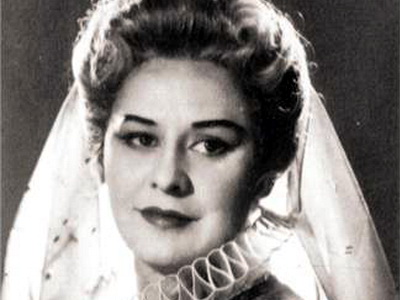


Rođena u Travniku 24. listopada 1921. od oca ugledna varaždinskog liječnika i majke Bečanke Srebrenka Jurinac je kao desetogodišnja djevojčica došla s majkom u Zagreb i pohađala školu časnih sestara. Zatim je upisala tečaj ritmike i s grupom mladih plesačica otišla na turneju u Nizozemsku. Po povratku je morala napustiti školu, pa se upisala u građansku gimnaziju i na nagovor dirigenta Zagrebačke opere Oskara Jozefovića počela je učiti pjevanje u Milke Kostrenčić. Sjajno je položila prijamni ispit na Muzičkoj akademiji i već je kao studentica treće godine dobila priliku da nakon epizodne uloge djevojke-cvijeta u Parsifalu s golemim uspjehom debitira 16. svibnja 1942. kao Mimi u La Boheme. Ivan Brkanović, tada kritičar lista "Hrvatski narod", proglasio ju je "umjetnicom velikog formata čije glasovne dispozicije dozvoljavaju najveće nade, a njezin pjev odaje potpuno izgrađenu umjetničku ličnost". Dodao je, da je "svaka fraza dokaz izvanredne glazbenosti i inteligencije u shvaćanju i iznašanju".

Početak karijere

Nakon takvih hvalospjeva mlada je debitantica počela nizati ulogu za ulogom, od naslovne na praizvedbi Sunčanice Borisa Papandopula već 13. lipnja, preko Gotovčeve Morane, Freie u Wagnerovu Rajninu zlatu, Nedde u Pagliaccima, kraljice Isabelle u Kolumbu Wernera Egka, Marženke u Prodanoj nevjesti do Mozartove Grofice i Margarete u Faustu. Godine 1943. Oktavijan Miletić povjerio joj je ulogu grofice Sidonije Erdędy u filmu Lisinski. I u njemu je pokazala veliku glazbenoscensku nadarenost. Rat je bio u punom tijeku, ali, nemirna duha, popustila je nagovoru prijatelja i otišla na audiciju u bečku Državnu operu pred slavnim maestrom Karlom Böhmom. On se uvijek sjećao dojma koji je na njega ostavila. Rekao je: "Kad mi je 1944. među ostalim kandidatima pjevala stanovita Srebrenka (nisam mogao ni izgovoriti ime) Jurinac poslušao sam je sa zanimanjem. Tako krasan glas pravog južnjačkog tembra već dugo nisam čuo. Kao tadašnji direktor Opere čvrsto sam odlučio da takav glasovni dragulj vežem uz kuću kojoj sam na čelu. Što sam onda tek mogao naslutiti ispunilo se na najdivniji mogući način: ona se razvila u umjetnicu sa samo sebi svojstvenom osobnošću, rijetka značenja, što ju je vrlo brzo učinilo miljenicom općinstva. Za nju doista vrijedi ono što je sama bezbroj puta ponavljala u svojoj glasovitoj ulozi Kompozitora u Straussovoj Arijadni na Naxosu i po čemu je živjela, a to je Glazba je sveta umjetnost."
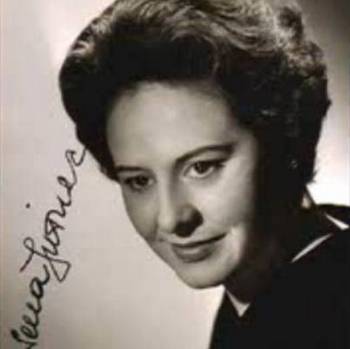


Njezina Kompozitora, kojega je upoznala i zagrebačka publika na gostovanju ansambla bečke Državne opere 1970, Oxford Dictionary of Music smatra "antologijskim dostignućem, najboljim poslije slavne Lotte Lehmann", a sama Lotte Lehmann rekla je za hrvatsku umjetnicu: "Topla i poštena ljudskost čini Senu Jurinac tako osobitom. Lijepih glasova i odličnih pjevačica s besprijekornom tehnikom ima dosta. Ali ta unutarnja jednostavnost i to poštenje Sene Jurinac čine mi se u današnje vrijeme sasvim posebnima. Živimo u vremenu dotjerane tehnike. U svakoj struci ta je tehnika postala konačni cilj. Nalazim da je Sena Jurinac iznad toga, iako, usput rečeno, tom tehnikom vlada."

Od Beča do Scale

U Beču je Srebrenka Jurinac prvi put javno nastupila u koncertnoj izvedbi Nikole Šubića Zrinjskog pod ravnanjem Lovre pl. Matačića za austrijski radio u sječnju 1945, a prvi nastup na sceni imala je u zgradi Volksopere 1. svibnja, kad je sovjetski komandant Beča zapovjedio da se praznik rada proslavi izvedbom Figarova pira. Polugladni umjetnici ostvarili su poslijepodnevnu predstavu pod ravnanjem Josefa Kripsa u lošim uvjetima, ali s istinskim umjetničkim nadahnućem. Sena Jurinac bila je Cherubin. Tri godine poslije već je istu ulogu tumačila na Salzburškim svečanim igrama pod ravnanjem Herberta von Karajana i snimila za gramofonsku tvrtku Columbia.

Karijera Sene Jurinac nezaustavljivo je krenula ususret najvećim uspjesima i nepodijeljenim umjetničkim priznanjima. Surađivala je s najslavnijim dirigentima Wilhelmom Furtwänglerom, Ottom Klempererom, Hansom Knappertsbuschom, Erichom Kleiberom, Fritzom Buschom, Ferencom Fricsayem, Dimitrijem Mitropoulosom, Erichom Leinsdorfom, Georgom Soltijem, s redateljima Lucinom Viscontijem i Giorgiom Strehlerom, snimala za vodeće tvrtke, bila sudionicom događaja u opernom svijetu koji se pamte. Pjevala je u Scali, Covent Gardenu, na festivalima u Glyndebourneu i Edinburghu. U svojoj matičnoj kući bečkoj Državnoj operi ostvarila je četrdeset i četiri uloge. Na početku karijere pjevala je u operi i opereti, prve godine imala je čak sto pedeset nastupa. S vremenom je počela izabirati dva autora koja su joj donijela slavu: Mozarta i Richarda Straussa U Figarovu piru bila je dječački svježi Cherubin i melankolična Grofica, u Idomeneu je od nježne Ilije došla do dramatske Elektre, u Don Giovanniju od Donne Elvire do Donne Anne, u Cosi fan tutte Od Dorabelle do Fiordiligi, u Kavaliru s ružom od vatrenog Octavijana do zrele šarmantne Maršalice. Istodobno je njegovala i talijanski repertoar pa su poznate i njezine kreacije Desdemone u Otellu i Elizabete u Don Carlosu, obje pod Karajanovim ravnanjem. Don Carlos na Salzburškim svečanim igrama 1958. u kojem su joj partneri bili Ettore Bastianini, Giulietta Simionato i Cesare Siepi ulazi u posebno cijenjene realizacije te opere. S Karajanom je u Salzburgu ostvarila i Marinu u Borisu Godunovu, Marzellinu u Fideliju i Euridiku s Giuliettom Simionato kao Orfejem. U Beču je pod njegovim ravnanjem pjevala u Monteverdijevoj Krunidbi Popeje, koja je nedavno objavljena i na CD-u. Bečani pamte njezinu neponovljivu Tatjanu u Evgeniju Onjeginu pod Matačićevim ravnanjem, a zagrebačka i dubrovačka publika Leonoru u Beethovenovu Fideliju. Njezina Cio-Cio-San u Madame Butterfly zacijelo nije nikoga ostavila ravnodušnim, kao ni sestra Angelica. Obje je pjevala u hramu talijanske glazbe — Scali. Wagnerovu Evu u Majstorima pjevačima pjevala je na Bayreuthskim svečanim igrama. Janačekova Jenufa, a zatim Crkvenjarka uzorni su pristupi liku koji ostaju u sjećanju.
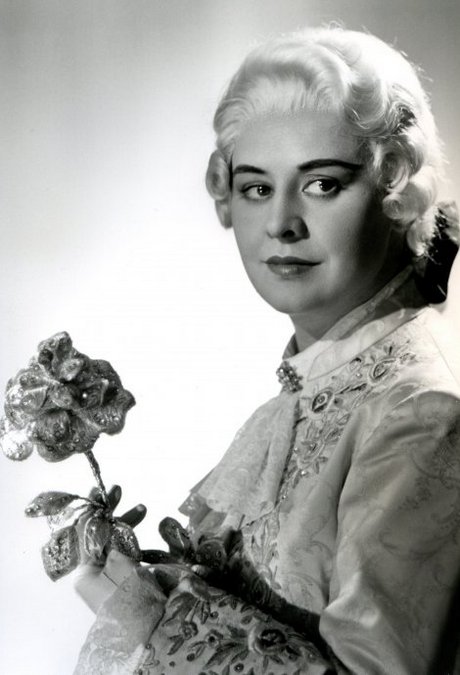


Za velike gramofonske tvrtke snimila je Idomenea (Ilia), Cosi fan tutte (Fiordiligi), Čarobnu frulu (Prva dama), Figarov pir (Cherubin, Grofica), Don Giovannija (Donna Elvira, Donna Anna), Fidelija (Marzellina, Leonora), Kavalira s ružom (Octavian) i Arijadnu na Naxosu (Kompozitor) uz Mozartov Requiem i druga djela koncertne literature te filmove Kavalir s ružom, Sestra Angelica, Othello i Wozzeck. Engleski muzički pisac i kritičar BBC-a Alan Blyth u Orreyevoj The Encyclopedia of Opera opisuje Senu Jurinac kao "jednu od najatraktivnijih soprana poslije Drugoga svjetskoga rata", a u predgovoru njezinoj monografiji Günther Rennert, još jedan veliki redatelj s kojim je surađivala, napisao je: "Postoji mala elita pjevača koji ponajprije imaju jasnu predodžbu uloge, a ne razmišljaju o fahu, položaju glasa, pjevačkoj tehnici i kako li se sve ne zove ono čime su pjevači zaokupljeni. To su umjetnici koje u prvome redu privlači lik i kako ga uobličiti da bi zatim uporabili sva tehnička sredstva kako bi to ostvarili. U tu se malobrojnu elitu bez dvojbe ubraja Sena Jurinac. Ona ne pripada rutinskom opernom pogonu i njezina umjetnost ne podnosi ograničenje faha. Ona se ne troši u tome."

U Theater an der Wien prije podne na blagdan Svih svetih Sena Jurinac opet je bila Srebrenka Jurinac. Dupkom punom gledalištu pričala je o djetinjstvu u Travniku i godinama studija i prvih nastupa u Zagrebu. Sjećala se svojih dragih bečkih partnera Josipa Gostiča i Đ urđe Milinković. Među umjetnicima koji su pjevali njoj u čast bio je i današnji miljenik bečke publike Janez Lotrič. Pjevao joj je Sicilianu iz Cavallerije rusticane izmijenivši ime Lola u Sena. Članovi Bečke filharmonije predali su svojemu nezaboravnom Kavaliru s ružom srebrnu ružu u srebrnoj kutiji iskazujući tako još jednom poštovanje najboljemu Ocatavijanu stoljeća.

Marija Barbieri

Izvor www.matica.hr


Sena Jurinac

She was born Srebrenka Jurinac in Travnik, Bosnia, that at the time was part of Yugoslavia. Her father was a Croatian army doctor, her mother Viennese. She showed early signs of a musical talent and studied at the Zagreb conservatory with Milka Kostrencic (the teacher of Zinka Milanov), making her debut as Mimi at Zagreb in 1942. In the following two years she sang the Countess, Freia, Isabella in Werner Egk’s premiere Columbus as well as in Yugoslavian operas. In 1944 (she was by then only 23 years old) she was contracted to the Vienna State Opera by Karl Böhm. Because of the War she was not able to sing until 1946 there (her first role was Cherubino). In the first year at the Staatsoper she had to sing more than 150 performances a year (far too much for a young singer). In the autumn of that year she came to London with the Vienna ensemble, singing Dorabella, the part she took with the Glyndebourne Opera at the Edinburgh Festival, where Fritz Busch became her mentor, and where she sang regularly for many years. She quickly established as one of the most admired members of the “Wiener Ensemble” (which included Irmgard Seefried, Elisabeth Schwarzkopf, Christa Ludwig, Lisa della Casa, Anton Dermota , Erich Kunz and others).

In 1950 she appeared as Fiordiligi at Glyndebourne, to be followed by Donna Anna, Donna Elvira, Ilia, the Countess and Cherubino (one of her greatest creations). At the Salzburg Festival she sang Dorabella, Cherubino and Amor, Eurydike, Marzelline, Elisabetta and Octavian (another highlight role). She performed the Countess in 1962 and the Composer in 1964. Regular appearances included performances at Covent Garden. In 1960 she sang an ardent and impassioned Octavian at the re-opened Festspielhaus at Salzburg opposite Lisa della Casa. Under the guidance of Herbert von Karajan she began to sing heavier roles: Desdemona, Leonora in La Forza del Destino, Elisabetta, Marina, Tosca, Butterfly, Jenufa, Iphigenia and even Leonore. Sena Jurinac bade farewell to the operatic stage as Marschallin at the Vienna State Opera in 1983 but continued to give recitals. She has been a sought-after singing coach for many years in Europe and the United States.

Source www.cantabile-subito.de


Sena Jurinac in Memoriam 24.X.1921 - 22.XI.2011

Sena Jurinc sings "Wie du warst" from Der Rosenkavalier by Richard Strauss
Maria Reining (Marschallin), Wiener Philharmoniker, Erich Kleiber, conductor
Wien, 1954


Sena Jurinac - 90th Birthday Tribute I: Three Schubert Lieder (London, 1950)

The great Croatian soprano Sena Jurinac (b. 24 October 1921) celebrates her 90th birthday next month. In order to celebrate her outstanding achievements in opera and lieder, seven videos of her live performances/radio broadcasts will be presented. This first instalment features her in three lieder by Franz Schubert, all recorded for a live radio broadcast by the BBC in London on 20 July 1950:

(1) Heidenröslein D257

(2) Gretchen am spinnard Op. 2 (D118)

(3) Die Forelle D. 550

She was accompanied by Ernest Lush on the piano.


Sena Jurinac - 90th Birthday Tribute II: Mozart: Idomeneo (Glyndebourne Festival, 6-30-1951)

The great Croatian soprano Sena Jurinac (b. 24 October 1921) celebrates her 90th birthday next month. In order to celebrate her outstanding achievements in opera and lieder, seven videos of her live performances/radio broadcasts will be presented. This second instalment features her as Ilia in Mozart's Idomeneo, one of her Mozart roles that endeared her to the audience at the Glyndebourne Festival. She is presented in Ilia's two arias, namely:

(1) 'Se il padre perdei' (Act 2)

(2) 'Zeffiretti lusinghieri' (Act 3)

The great German conductor Fritz Busch directed the Orchestra of Glyndebourne Festival in this live performance on 30 June 1951. A picture in this video shows the then 29 year-old Jurinac rehearsing with Fritz Busch, who played a large role in her enormous success at the Glyndebourne Festival.


Sena Jurinac - 90th Birthday Tribute III: Mozart: Cosě fan tutte (Glyndebourne Festival, 7-5-1951)

The great Croatian soprano Sena Jurinac (b. 24 October 1921) celebrates her 90th birthday next month. In order to celebrate her outstanding achievements in opera and lieder, seven videos of her live performances/radio broadcasts will be presented. This third instalment features her as Fiordiligi in Mozart's Cosě fan tutte, one of her Mozart roles that endeared her to the audience at the Glyndebourne Festival. She is presented in Fiordiligi's big aria 'E parte...senti!......Per pietŕ, ben mio, perdona' from Act 2 of the opera.

The great German conductor Fritz Busch directed the Orchestra of Glyndebourne Festival in this live performance on 5 July 1951. A picture in this video shows the then 29 year-old Jurinac rehearsing with Fritz Busch, who played a large role in her enormous success at the Glyndebourne Festival.


Sena Jurinac - 90th Birthday Tribute IV: Susanna's aria from Mozart's Figaro (RAI, 1954)

The great Croatian soprano Sena Jurinac (b. 24 October 1921) celebrates her 90th birthday next month. In order to celebrate her outstanding achievements in opera and lieder, seven videos of her live performances/radio broadcasts will be presented. This fourth instalment features her in Susanna's aria 'Giunse alfin il momento...Deh vieni' from Act 4 of Mozart's Le Nozze di Figaro, coming from an Italian Radio broadcast in Milan on 4 January 1954. She was accompanied by the Orchestra Sinfonica della RAI di Milano, conducted by Mario Rossi.

Jurinac sang the role of Susanna very early in her career in Zagreb in 1943 (see pictures in the main part of the video). When she embarked on a career in Vienna in 1945 after WWII, Cherubino became one of her major roles and she sang it for many years before graduating to the Countess. This live radio broadcast is a souvenir of her Susanna, which she apparently no longer performed on stage after 1945.


Sena Jurinac - 90th Birthday Tribute V: Weber: Der Freischütz (RAI, 1-12-1955)

Sena Jurinac - 90th Birthday Tribute V: Weber: Der Freischütz (RAI, 1-12-1955)
The great Croatian soprano Sena Jurinac (b. 24 October 1921) celebrates her 90th birthday next month. In order to celebrate her outstanding achievements in opera and lieder, seven videos of her live performances/radio broadcasts will be presented. This fifth instalment features her in Agathe's arias from Weber's Der Freischütz, coming from a live radio broadcast by the Italian Radio at Turin on 12 January 1955, with Vittorio Gui conducting the Orchestra della RAI di Torino. The arias in their order of presentation are:

(1) Wie nahte mir der Schlummer...Leise, leise (Act 2)

(2) Und ob die Wolke sie verhülle (Act 3)

Both arias are sung in Italian.

Agathe is a role very well suited to Jurinac's voice, yet she seldom performed it on stage, with only a handful of performances in Italy. The photos in the main part of the video show her as Agathe in one of the Italian productions of the opera conducted by Vittorio Gui around 1955.


Sena Jurinac - 90th Birthday Tribute VI: Wagner: Tannhäuser (La Scala,1967)

The great Croatian soprano Sena Jurinac (b. 24 October 1921) celebrates her 90th birthday next month. In order to celebrate her outstanding achievements in opera and lieder, seven videos of her live performances/radio broadcasts will be presented. This sixth instalment features her as Elisabeth in Wagner's Tannhäuser in a live performance on 8 April 1967 at the Teatro alla Scala, Milano, conducted by Wolfgang Sawallisch. The arias in the order of presentation are:

1) Dich teure, Halle (Act 2)

2) Allmächt`ge Jungfrau (Act 3)

Stage stills from the 1967 La Scala production are featured throghout the main portion of the video. These photos come from the La Scala Historical Digital Archives.


Sena Jurinac - 90th Birthday Tribute VII: From Octavian to the Marschallin (1955, 1969)

The great Croatian soprano Sena Jurinac (b. 24 October 1921) celebrates her 90th birthday next month. In order to celebrate her outstanding achievements in opera and lieder, seven videos of her live performances/radio broadcasts will be presented.

This seventh and final instalment features her in Richard Strauss's Der Rosenkavalier, an operatic masterpiece that held an important and even paramount place throghout her entire career. She sang the title role of Octavian (The Knight of the Rose) right from the beginning of her stage career in 1945 until the mid 1960s, and then graduated to the role of Der Feldmarschallin from the mid 1960s onwards up to the very end of her career. It was in the role of the Marschallin that she bade farewell to the operatic stage on 29 November 1982 at the Wiener Staatsoper (Vienna State Opera).

This video showcases her 'graduation' from Octavian to the Marschallin over a decade.

We begin with Octavian's final duo with Sophie, 'Ist ein Traum, kann nicht wirklich sein' (Act 3), coming from a live performance of the opera on 16 November 1955 during the opening season at the reconstructed and reopened postwar Wiener Staatsoper (Vienna State Opera) conducted by the great German maestro Hans Knappertsbusch. This was one of Jurinac's major appearances as Octavian. Hilde Güden partners her as Sophie. Maria Reining as the Marschallin and Alfred Poell as Herr von Faninal appear briefly in this excerpt.

This is followed by key excerpts from Jurinac's performance as the Marschallin at the Teatro Colón, Buenos Aires, on 23 September 1969, coonducted by Erich Leinsdorf:

(1) Da geht er hin (Marschallin's monologue, Act 1)

(2) Die Zeit, die ist ein sonderbar Ding (Marschallin's farewell to Octavian, Act 1)

(3) Trio, Act 3 (with Christa Ludwig as Octavian and Sylvia Geszty as Sophie)

Last but not least, my warm appreciations to George@opertutto for so kindly sharing from his collection rare photos of Jurinac in Marschallin's full regalia, which are featured in the video.


“Die Sena”: adiós en el día de la música

Kammersängerin Sena (Sebrenka) Jurinac-Lederle

(24 de octubre de 1921 – 22 de noviembre de 2011)

Un triste día de y para la música. A la noticia de la muerte, hace horas, de Montserrat Figueras (63), se suma la de Sena Jurinac (90). Con ella se cierra uno de los últimos capítulos de esa breve edad de oro del canto que surgió, mejor dicho, “resurgió”, en la Viena de inmediata posguerra. Referente de la interpretación mozartiana y straussiana, la incomparable cantante croata – tan incomparable como sus colegas Elisabeth Schwarzkopf, Irmgard Seefried y Lisa Della Casa – fue una de las glorias de la ópera vienesa y por ende, del Festival de Salzburgo.

Su curiosidad e inteligencia dramática la llevaron a abordar un amplísimo repertorio que incluyó personajes tan disímiles como Tatiana, Tosca, Leonora, Ilia, Cio Cio San, Iphigenie, Elisabetta, Lisa, Mimi, Marenka, Eva, Gutrune, Desdemona, Manon, Poppea, Marina, Jenufa – y mucho después Kostelnicka – y Marie en Wozzeck dirigida por Bruno Maderna, afortunadamente preservada en DVD.

Pero, fue su vibrante combinación eslava y vienesa sumada a un instrumento tan de oro como de plata (el significado de su nombre) lo que le permitió dejar una imborrable doble impronta en las tres óperas del binomio Mozart-Da Ponte: Fiordiligi (que nunca cantó en Viena) y Dorabella, Donna Elvira y Donna Anna, Cherubino y la Condesa Almaviva – así como en composiciones de Richard Strauss. Del bávaro fue una gran exponente del Compositor de Ariadne auf Naxos y una de las poquísimas en cantar a lo largo de su carrera los tres papeles de El Caballero de la Rosa: Octavian, Sophie y finalmente una paradigmática Mariscala con la que se despidió del escenario vienés en 1982, después de 1268 funciones en 46 papeles, y que cantó en su recordada visita al Teatro Colón de Buenos Aires en 1969.

De su inicial Mimí en Zagreb (1942) pasó, gracias a Karl Böhm - quien cambió el “Sebrenka” por el diminutivo “Sena” – a la Volksoper de Viena el 1 de mayo de 1945. Allí, para los soldados rusos en la platea, debutó como Cherubino junto a la Susanna de Seefried dirigida por Josef Krips: “No teníamos qué comer, ni tranvías y un apartamento medio bombardeado en un sexto piso, pero nos sentíamos bendecidos: seguíamos vivos y podíamos cantar”.

Ascendida a Kammersängerin en 1951, para el público era simplemente “Die Sena” y como parte del renombrado Wiener Mozart Ensemble en su primer ano cantó la friolera de 150 representaciones cuando la reapertura de la Wiener Staatsoper en 1955. Favorita de Herbert von Karajan (que para no perder su costumbre la animó a papeles más allá de sus posibilidades), Erich Kleiber, Rudolf Kempe, Knappertsbusch, Klemperer y sobre todo Fritz Busch, amplió sus horizontes y fue amada en Gran Bretana: Covent Garden, Edimburgo y especialmente el Festival de Glyndebourne que fue como su otra casa.

Siguieron La Scala, Roma, Sydney, Florencia, Estocolmo, Paris, Amsterdam, Munich mientras América permaneció siempre elusiva. En San Francisco fue Madama Butterfly pero nunca cantó en el Metropolitan Opera a raíz del encono de Rudolf Bing porque ella se había negado a estrenar Vanessa de Samuel Barber, originalmente concebida para Maria Callas y estrenada luego por Eleanor Steber.

Si su legado discográfico fue más sucinto que el de otras contemporáneas - “El mayor error de mi carrera fue no haberme casado con un productor discográfico”, decía aludiendo a Elisabeth Schwarzkopf y Walter Legge - las grabaciones captan un timbre refulgente, suprema musicalidad e intuitiva elocuencia escénica. Un crítico llamó a su voz andrógina “Romeo y Julieta en una laringe” y Jurinac se ocupó de confirmarlo en el Fidelio de 1961 dirigida por Klemperer (Testament), Las bodas de Figaro con Vittorio Gui (EMI), Der Rosenkavalier con Kleiber padre, Cosí fan tutte -inolvidable en Per pietá ben mio - y en una de las primeras grabaciones de las Cuatro últimas canciones con Fritz Busch.

Su magnética presencia puede apreciarse en DVD, en el Wozzeck mencionado (Arthaus), Otello en alemán junto a Wolfgang Windgassen (Arthaus), Ariadne auf Naxos (Komponist, Karl Böhm, 1965), el Octavian del film de Paul Czinner-Karajan junto a Schwarzkopf y como un último “souvenir” en la Bruja de Hansel y Gretel en la versión Solti-Everding (DG).

Melanie Diener, Bo Skovhus, Christine Schäfer y Piotr Beczala fueron algunos de los que se beneficiaron con sus ensenanzas. Casada primero con el barítono Sesto Bruscantini y luego con el doctor Josef Lederle, “Die Sena” – y cabe parafrasear al poeta Pedroni - se “fue el dia de la música, no fue un día cualquiera”. Enérgica, inclaudicable, impuso su estilo hasta el final, como aquel fogoso Compositor que tan bien encarnó y que en este triste día de la música es a la vez, su mejor reflejo y tributo:

Musik ist eine heilige Kunst,
zu versammeln alle Arten von Mut wie Cherubim um,
einen strahlenden Thron,
und darum ist sie die heilige unter den Künsten, die heilige Musik!

Source miamiclasica.com

Sena Jurinac - Cortesía Archivos Metropolitan Opera, NY


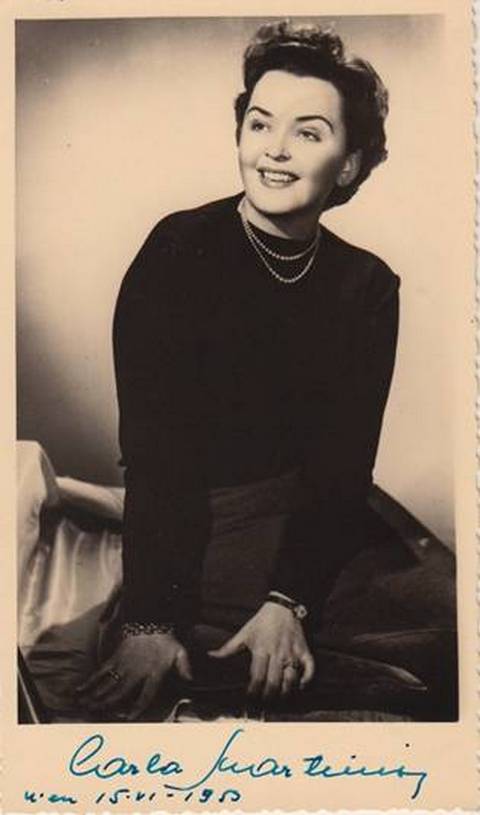
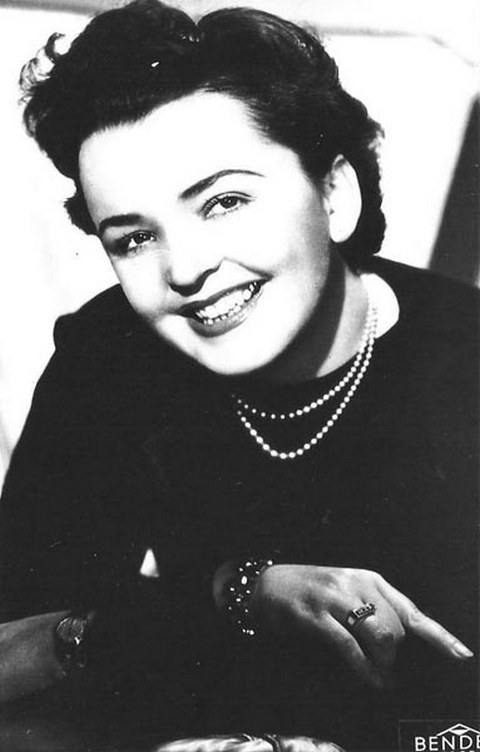
Carla Martinis 1922-2010 Croatian opera star in Vienna

By Nenad N. Bach and Darko Žubrinić
Published  11/15/2010

The best Karajan's Aida


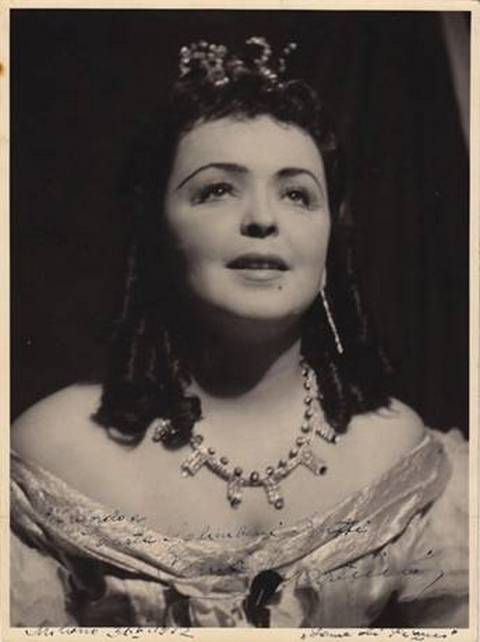
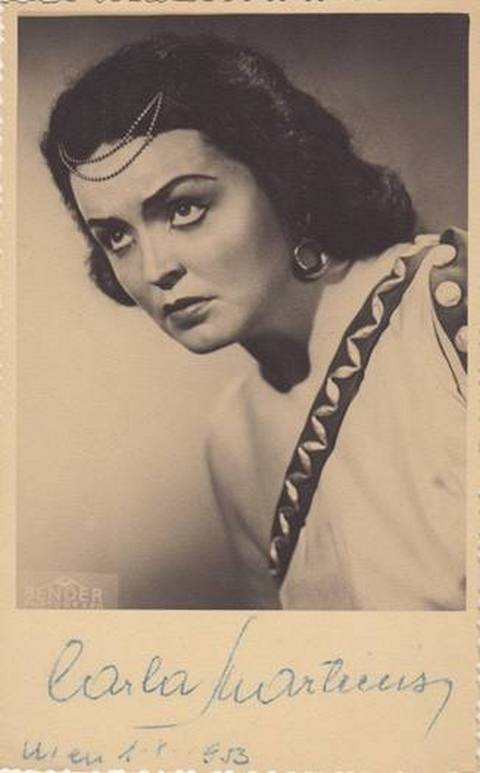
Dragica (Carla) Martinis, a famous Croatian singer


"I need the most beautiful voice in the world. Where is it?" - Herbert von Karajan, Vienna 1951.

"Dragica Martinis. Here." - Rudolf Bing, New York.


This was a fast exchange of telegraphs in 1951. Von Karajan needed the best voice for the role of Aida at the concert in Vienna that had to be organized on the occasion 50 years since the death of Giuseppe Verdi (1813-1901) . Rudolf Bing was a well known intendant of the famous Metropolitan opera in New York.


Dragica Martinis (January 19, 1922 - October 8, 2010) was born in the the village of Dančulovići
near the town of Sošice in the region of Žumberak, west of Zagreb.
Except in Zagreb and Vienna she sang in Berlin, Hamburg, Munich,
in Spain, Italy, Chicago, Rio de Janeiro, San Francisco,
where the opera critic described her voice as pure gold.

Carla Martinis arrives - Hollywood goes wild! - was a big newspaper title
on the front page of Holywood Star Gazette in Los Angeles.
San Francisco News announced her arrival to the USA as follows:
"La Forza del Destino' brings new stars: Carla Martinis scores as Donna Leonora."
For international promotion of Croatian culture she received
the Danica (Venus) Order of Marko Marulić
from the late Croatian president Franjo Tuđman.


The name of Carla Martinis awakens memories of a brilliant era of opera in Vienna during the postwar period. Vienna was always the pivotal point for this internationally acclaimed artist.

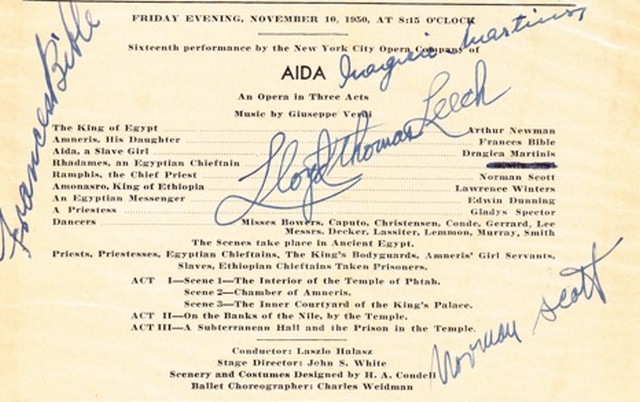
Carla Martinis was born in Croatia and studied at the Zagreb Conservatory. She began her career at the opera houses in Zagreb and Prague and in 1949 took a prize at the singing competition in Geneva. Shortly afterwards she came to Vienna where she had the chance to audition for the direcor of the New York City Opera, Laszlo Halasz. Her performance of the "Nil aria" from Verdi's "Aida" made such a strong impression that she was immediately offered a contract by the New York City Opera, a house that has always been in productive competition with the more famous Metropolitan Opera. In New York, where she sang for two seasons, Carla Martinis scored her first international successes as a Verdi and Puccini soprano.

Her first appearances in Vienna were in December 1950. On the 14th, she sang Turandot in a cast that included Helge Roswaenge and Irmgard Seefried, and on the 18th she sang Tosca with Roswaenge and Alfred Jerger as her partners.

A critic of the "Wiener Zeitung" had this to say about the debut of Dragica Martinis (the singer's original name): "For this demanding role, Miss Martinis has an opulent, soaring voice which becomes even richer in the upper register; a sound of immense brilliance which yet remains pleasing to the ear."The "Neues Oesterreich" reported about her Tosca as follows: "The voice, bright and warm, ascends the high register effortlessly, with a light, free attack. Phrasing, support and change of register are faultless, the middle voice is full and rich. She has a marvellous stage presence which helped her to win the audience quickly."

Carla Martinis sensational debut came at the Vienna State Opera. She soon changed her name from Dragica to Carla. She was a member of te Vienna State Opera ensemble from 1950 until 1962.

The young soprano's successes in New York and Vienna attracted the attention of Herbert von Karajan. At the time, he was working as an opera conductor mainly at La Scala in Milan; in Vienna he did orchestral concerts only. Carla Martinis was his first choice for the title role in a concert performance of Verdi's "Aida" on February 5, 1951 In the Musikverein Building in Vienna. The performance was a sensation, one of the most notable event in a series of performances marking the fiftieth anniversary of Verdi's death. For Carla Martinis it was a triumphant success. With her in the cast were Lorenz Fehenberger, a tenor from Munich, as Radames; the American Nell Rankin as Amneris; and the Italian Giampiero Malaspina as Amonasro and Mario Petri as Ramphis. It was an ensemble with an international spectrum; this was not customary in Vienna at the time, and it clearly bore the Karajan's stamp.

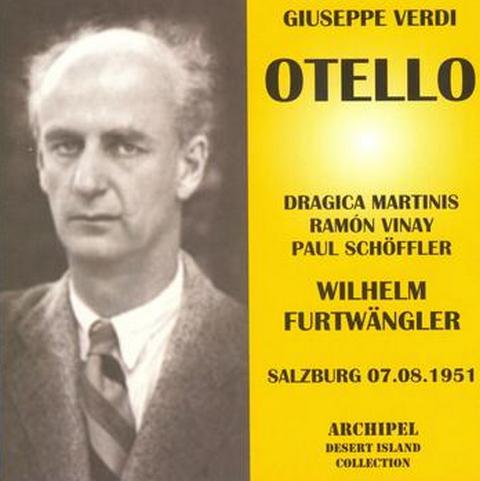
In the summer of 1951, Carla Martinis sang Desdemona in the legendary Salzburg Festival production of Verdi's "Otello" inder the baton of Wilhelm Furtwaengler, with Ramon Vinay as Otello and Paul Schoeffler as Iago. The next year brought appearances at La Scala; Elena in Boito's "Mefistofele" under Victor de Sabata (with Renata Tebaldi, Ferrucio Tagliavini, Nicola Rossi-Lemeni), Elisabeth in "Don Carlo", conducted by Antonino Votto (with Gino Penno, Nicola Rossi-Lemeni and Ebe Stignani). In 1953 she sang Donna Anna at La Scala in a production of "Don Giovanni" conducted by Karajan (with Elisabeth Schwarzkopf, Mario Petri, Leopold Simoneau). She had sung the same role the year before at the festival in Aix-en-Provence. While a member of the Vienna Opera ensemble, Carla Martinis made frequent guest appearances, mainly in Italy and the United States.

At the Vienna Opera - first in its temporary quarters, the Volksoper and the Theater an der Wien, later in the rebuilt house on the Ringstrasse - she sang the following roles in addition to those already mentioned: Amelia in "Un Ballo in Maschera", Madame Butterfly, Leonora in "Il Trovatore" and "La Foza del Destino", Madeleine in Andre Chenier", Mimi an Manon Lescaut. In many cases, these were new productions.

Carla Martinis's career was cut short by a tragic event: the death of her child in an accident led to her early retirement from the stage.

An impulsive, unaffected singer, Carla Martinis is engraved forever in the
memory of opera lovers.

The source of the above text is a short biography of "Carla" Martinis in a Preiser Label single CD (Preiser 90126) of 13 tracks made at three different sessions between 1951 and 1956, published here with minor changes. See listserv.bccls.org


Carla Martinis sings "Ritorna vincitor" from Aida by Giuseppe Verdi (1813-1901)
Wiener Symphoniker HERBERT VON KARAJAN, conductor Wien, 03.II.1951

Carla Martinis as Madame Butterfly, Un bel di vedremo


Carla Martinis as Aida, O patria mia


The best Karajan's Aida. Discover this wonderful talent... almost forgotten diva - CARLA MARTINIS (1922-2010)

CARLA MARTINIS & GIAMPIERO MALASPINA "CIEL; MIO PADRE"


Carla Martinis and Gampiero Malaspina sing "Ciel, mio padre" from Aida by Giuseppe Verdi (1813-1901)
Wiener Symphoniker HERBERT VON KARAJAN, conductor Wien, 03.II.1951

Carla Martinis as Madama Butterfly, Con onor muore


Discover a great and rich voice of Carla Martinis.

CARLA MARTINIS "QUI RADAMES VERRA"


Carla Martinis sings "Qui Radames verra" from Aida by Giuseppe Verdi (1813-1901)
Wiener Symphoniker HERBERT VON KARAJAN, conductor Wien, 03.II.1951


Dragica Martinis

Trebam najljepši glas na svijetu. Gdje je? - Herbert von Karajan, Beč
Dragica Martinis. Ovdje. - Rudolf Bing, New York

Bila je to kratka razmjena brzojava upućenih prije pripreme koncertne izvedbe Aide u Beču na izvornome talijanskom jeziku (što je tada bila iznimka) prigodom pedesete godišnjice Verdijeve smrti između njezina dirigenta i poznatog američkog menedžera. Najljepši glas na svijetu tada je pripadao hrvatskoj umjetnici o kojoj smo pisali u prošlome broju ťVijencaŤ u tekstu Hrvatski operni pjevači uvrstivši je među najveće pjevače koje smo dali svjetskoj opernoj reprodukciji. Tada je Dragica Martinis bila u kratku angažmanu u njujorškoj Gradskoj operi. Imala je za sobom sedam godina djelovanja u Operi HNK-a u Zagrebu, Saveznu nagradu za Aidu, prvu nagradu na Međunarodnome pjevačkom natjecanju u Ženevi, a bilo joj je tek dvadeset i osam godina (rođena je 1922. u Sošicama pokraj Jastrebarskog). Nakon debija 9. srpnja 1942. u ulozi Puccinijeve Mimi Zagrebačka opera nije pokazala zanimanje za nju pa je otišla u Njemačku i nakon iznimno uspjele audicije između brojnih ponuda izabrala je angažman u Stuttgartu. No zbog ratnih zbivanja vratila se u Hrvatsku i u rujnu 1943. postala je članica Zagrebačke opere.

Akustičko čudo

U Bečku državnu operu ušla je na velika vrata nakon dviju izvanredno otpjevanih predstava Turandot i Toske u prosincu 1950. godine, kad je kritika jezgrovito ustvrdila: došla je, otpjevala i pobijedila, preko noći dobila ugovor i angažman. Postala je njezin prvi sopran u talijanskom repertoaru, protagonistica premijera i svečanih glazbenih događanja. Gostovala je diljem Europe i obiju Amerika, uvijek u novim produkcijama i s najslavnijim umjetnicima vremena pod ravnanjem najvećih dirigenata. O njezinu glasu pisali su se hvalospjevi, nazivali su ga akustičkim čudom, suhim zlatom, njezina piana u najvišim položajima bila su očaravajuća. Visoki C u ariji Aide na Nilu, koji je počinjala u pianu, razvijala ga u forte i završavala u pianu još i danas odzvanja u ušima onih koji su je slušali. U tome krasnom glasu bilo je emotivnosti, topline i iskrenosti, i to ju je činilo fascinantnom glazbenoscenskom umjetnicom. Njezini nastupi bili su doživljaji kakve slušatelji, pogotovo bečki koji su je u obilju slušali u trinaest velikih uloga, ne zaboravljaju. U obično konvencionalno shvaćen ledeni lik Puccinijeve Turandot unosila je ljudske emocije, Toscu je oplemenjivala zaobljenom punoćom tona. Cio-Cio-San u Madame Butterfly osvajala je zvukovnom ljepotom i muzikalnim predanjem, što je njezinoj potresnoj igri davalo još snažnije djelovanje, a Amelija u Krabuljnom plesu zadivljavala je uznositošću verdijanske fraze.

Dirigent je zaplakao

Zagrebačka publika pamti je kao veličanstvenu Aidu, a Otello s njom i Josipom Gostičem pod ravnanjem Milana Sachsa 1950. jedan je od vrhunaca hrvatskoga glazbenog života. Bečka je kritika isticala i blistavu scensku pojavu lijepe žene, što je davalo još veću uvjerljivost zavodničkoj Manon Lescaut (nakon bečkih predstava s Giuseppeom di Stefanom imala je 28 poziva pred zastor), a ljupkost i jednostavnost podcrtavali su tragediju Desdemone tako snažno da poslovično strog Wilhelm Furtwängler nije mogao zatomiti suze kad je dirigirao četvrti čin Otella na Salzburškim svečanim igrama 1951. godine.

Dragica, u svijetu poznata kao Carla, Martinis bila je oličenje umjetnice koja svoj veliki prirodni talent i emotivno bogatstvo pruža bez zadrške, a to je najizravniji put do slušatelja. Ne čude stoga kritike u superlativima poput ove nakon premijere Moći sudbine u Beču 1952. godine: Bilo da pjeva u koncertnim dvoranama ili da stoji na pozornici, iz nje izbija neopisiv šarm, zadivljuje nepogrešivost njezine pjevačke tehnike i svjež, srdačan način njezina predanja. Dragica Martinis ima, osim fascinantnoga glasa, još beskrajno mnogo dragocjenijih darova - ona zna naći najbliži, najjednostavniji i najizravniji put k umjetnosti u glazbenom, tehničkom, stilskom i duhovnom smislu. Otuda izrasta njezin veliki umjetnički svijet.

Hrvatsko narodno kazalište u Zagrebu barem će djelomice ispraviti golemu nepravdu koju je bivši režim učinio prema našoj velikoj umjetnici ne dopustivši joj, nakon što je prihvatila svjetsku karijeru, nastupe u Hrvatskoj i zabranivši da se na radiju čuje njezin glas i izgovori njezino ime.

Marija Barbieri www.matica.hr/Vijenac

Opširnije vidi u članku Marije Barbieri: Dragica Martinis - žumberački slavuj, Žumberački krijes 2003., Zagreb, str. 131-143


Carla Martinis was born as Dragica Balić. Martinis is the second name of her husband.
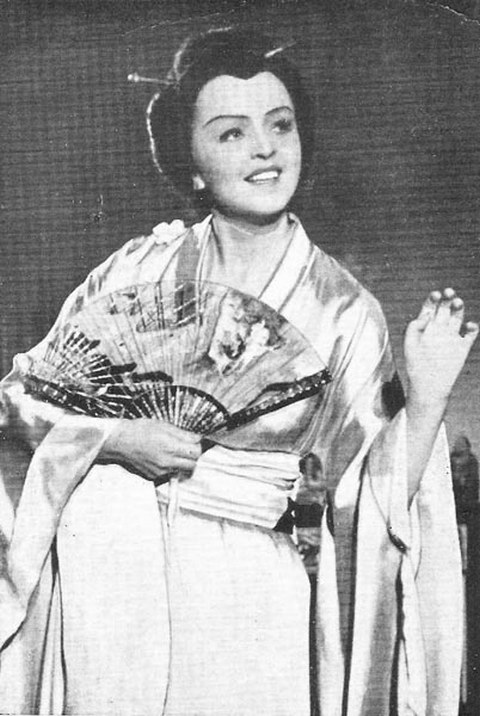
On the photo she is in the role of Cho-Cho San in Madame Butterfly, in Croatian National Theatre in Zagreb.

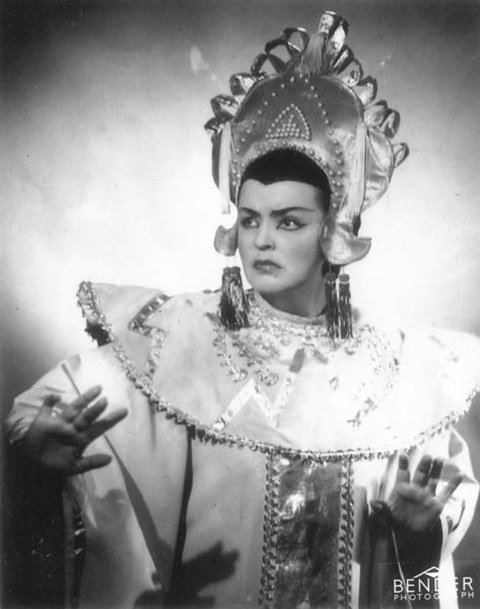
Carla Martinis in Turandot by G. Puccini


Carla Martinis as Leonora on the premiere of the opera The Force of Destiny by G. Verdi.


Carla Martinis as Desdemona in Otello by G. Verdi.

Performance by the New York City Opera Company in 1950

Carla Martinis in Pique Dame

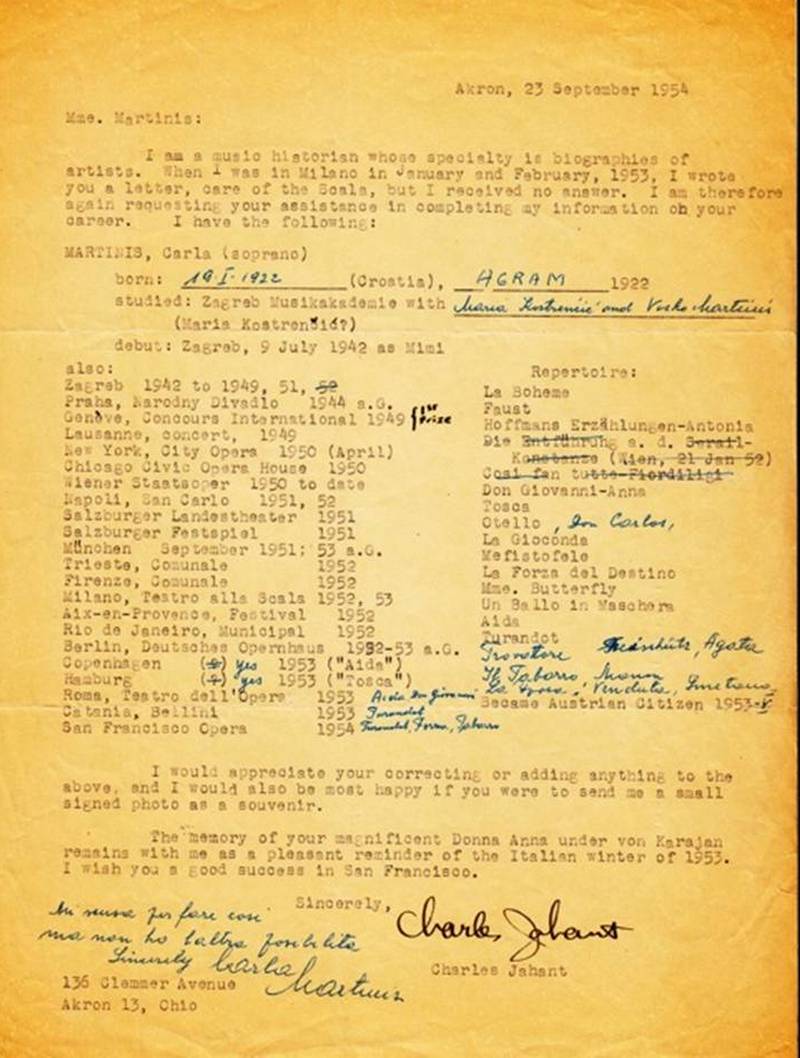
The late Charles Jahant - a remarkable opera historian - made an outline of the singer's career whom Carla Martinis annotated. Source www.operanostalgia.be

Carla Martinis as Aida

The photos are from various articles listed at the bottom of this web page.

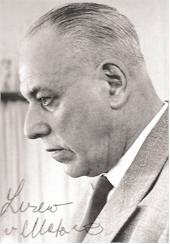
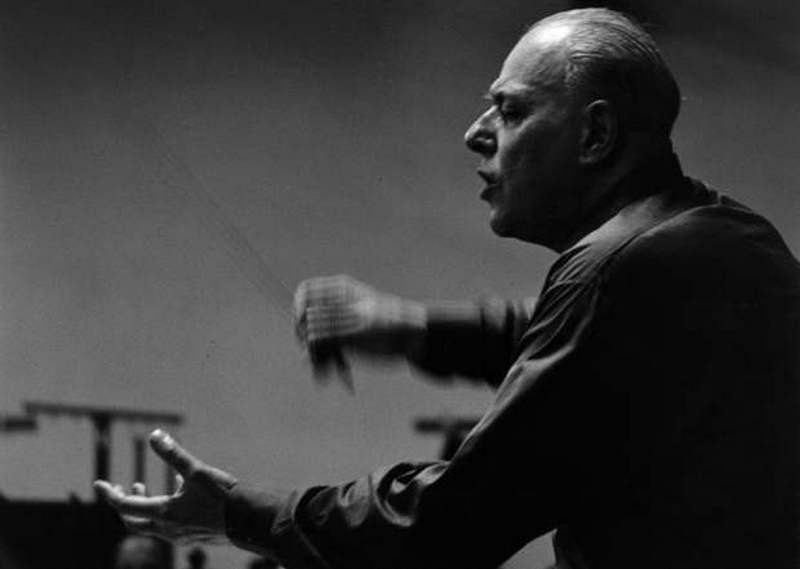
Lovro von Matačić 1899-1985 great Croatian conductor

By Nenad N. Bach and Darko Žubrinić
Published  02/14/2012

"One day, when they draw a line, it will not matter what I did for international composers, but how I contributed to Croatian music"


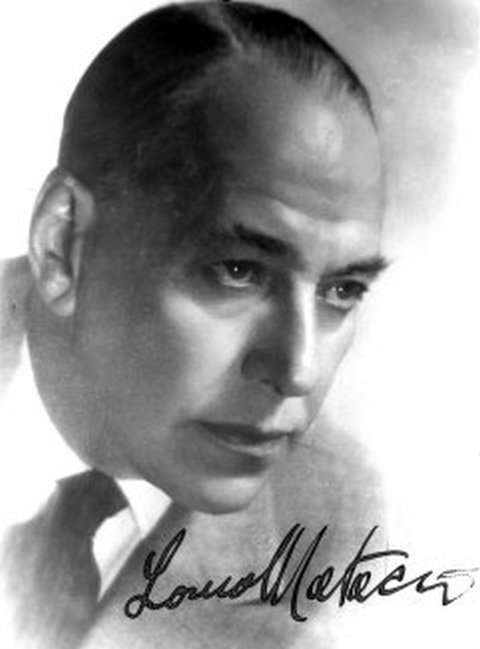
Maestro Lovro von Matačić, distinguished Croatian conductor


Lovro von Matacic, one of the greatest conductors of the 20th century (1899-1985), started his career in 1919 as conductor of orchestras in Osijek, Novi Sad, Ljubljana, Belgrade, Riga, and in Zagreb in 1932. From 1942-1945 he was conductor of the Vienna Opera. After 1945 he was imprisoned by the Yugoslav communist regime, and together with Croatian painter Kristian Krekovic sentenced to confiscation of all movable and immovable property. In 1950's he became organizer of Festivals in Dubrovnik and Split. In 1956 Matacic moved to Germany to conduct East Berlin Opera and the famous Dresden Staatskapelle, then conducted at Bayreuth in 1959, and from 1961 to 1966 was Gereralmuikdirektor in Frankfurt. He was also guest conductor in Vienna Opera, Milan Scala, in Chicago, Naples, Palermo, Rome, London, Cleveland, Tokyo, Prague, etc., and was elected the honorary director of the Japanese Orchestra in Tokyo. From 1970 to 1980 he was conductor and artistic director of the Zagreb Philharmonic Orchestra, and almost simultaneously from 1973 to 1979 had the same role in the Monte Carlo Orchestra.

Lovro pl. Matacic

Lovro Matacic is the laureate of
  • the Bruckner Medal and of the International Bruckner Society, recipient of the Bruckner Ring from Viennese Symphonic Orchestra (one among only a few of the most outstanding conductors),
  • recipient of the Smetana Medal from the Czech government and Janacek Medal,
  • Hans von Bellow Medal from the Berlin Philharmonic Orchestra,
  • medal for artistic work from the Prince Rainer of Monaco,
  • the Cross of the First Order for Science and Art from the president of Republic of Austria,
  • and of numerous recognitions in Croatia.
Under his baton great performances were accomplished (and recorded by Columbia Records) by Yehudi Menuhin, David Oistrakh, Enrico Caruso, Beniamin Giglio, Maria Callas, Herbert von Karajan, Bruno Walter, Arthur Rubinstein and others. Lovro Matacic founded a fund for specialization of young conductors. One of predecessors of his noble family participated in the defense of Siget under the leadership of legendary Nikola Subic Zrinski in 1566.


Bruckner - Lovro von Matacic - Symphony No.8 Mvt.4 (1/3)
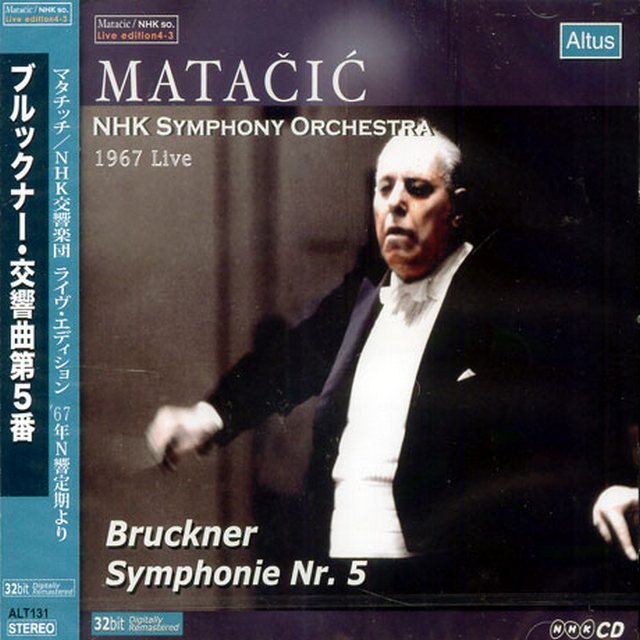
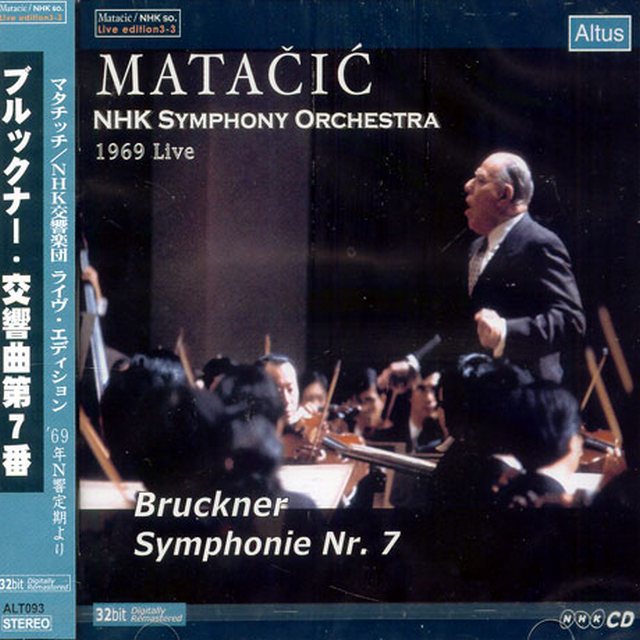
NHK Symphony Orchestra conducted by Lovro von Matačić. NHK hall, Tokyo, 1984.


Bruckner - Lovro von Matacic - Symphony No.8 Mvt.4 (2/3)
NHK Symphony Orchestra conducted by Lovro von Matačić. NHK hall, Tokyo, 1984.


Bruckner - Lovro von Matacic - Symphony No.8 Mvt.4 (3/3)
NHK Symphony Orchestra conducted by Lovro von Matačić. NHK hall, Tokyo, 1984.


Tchaikovsky Symphony No.6 Pathetique 4th mov
Lovro von Matačić & The Czech Philharmonic Orchestra, 1968 recording


Lovro von Matacic interviewed about his "Sinfonie der Konfrontationen"
and extracts from the work played by the NHK Symphony Orchestra conducted by Matacic in 1984.


Lovro Matačić

“Matačić can show music emerging from the overall Human nature, vast and deep, warm and limitless, and the impression is so strong that it makes the entire body and soul vibrate to the very roots.” (Philharmonic, 1967)

Lovro von Matačić (February 14, 1899 – January 4, 1985) used a single word to describe his versatile artistic personality – musician. In the turbulent, and occasionally unfavorable circumstances of the period encompassing almost the entire 20th century, his talent was proven on countless occasions as a value that will always find room for excellent achievements.

He was born in Sušak (a part of the city of Rijeka) in Croatia, to a family that was granted a noble title in the early 17th century. Growing up, he was always surrounded by music and art: his father had a career as an opera singer, and his mother as an actress. After his parents’ divorce, the family moved to Vienna where Lovro joined the Vienna Boys Choir of the Royal Court Chapel at the age of eight. The Choir’s repertoire must have influenced his later affinities, but most of all through the music of Anton Bruckner. In the Piarists’ Gymnasium in Vienna he received training in piano, organ and music theory. His music education continued under distinguished teachers at the Vienna Conservatory which he never attended formally nor obtained any degrees. He proved his talent in practice when in 1916 he started volunteering as an accompanist at the Cologne Opera. When the war broke out, however, he volunteered for the army and also became an active revolutionary: in 1918 he joined the circle of left-oriented intellectuals in Vienna who recognized his artistic talent. He already had several works ready; he recited the poem “Vigilia” to his colleagues, and he was sixteen when the Tonkünstlerorchester of the Vienna Musikverein conducted by Bernhard Paumgartner premiered his “Fantasy for the Orchestra.” Not many of Matačić’s compositions have been completely preserved, although he did include some of them in his programs after becoming a distinguished conductor – such as the “Confrontation Symphony” or the “Konjuh planina” Cantata. After the war, he made a living mostly by playing in cafés, writing reviews, and by short-term conducting engagements in Osijek, Zagreb and Novi Sad where he served the required military service as a military musician. Even then, his performances were marked with opera pieces and a vocal repertoire, but he did not find a permanent position until 1922 when he was employed by the Ljubljana Opera. In the meantime, he married a Czech singer Karla Dubska who introduced him to the golden portion of Czech music. His first success in Ljubljana was the performance of Leoš Janáček’s opera “Jenůfa”, which would subsequently become one of the most often performed operas of Matačić’s repertoire.

After Ljubljana, his engagements and successes lined up: with the Belgrade Opera and the Obilić Academic Choir, his first appearance in front of the Zagreb Philharmonics in Zagreb (1927) and the Vienna Symphonic Orchestra at the Konzerthaus (1928), the Letonic State Opera in Riga, and the more permanent move to Zagreb in 1932 where he spread his activities to opera, symphony, and choir repertoire. His strivings of the time, however, reached a peak in 1936 when he conducted the Berlin Philharmonic and became the orchestra’s regular guest. In 1938 he left the position of the permanent conductor at the Croatian National Theatre in Zagreb to become the director of the Belgrade Opera and the chief conductor of the Belgrade Philharmonic. But his path lead further to Europe, too. During World War II, he spent most of the time in Zagreb as an army officer, but also continued conducting: he appeared in Zagreb with all major local orchestras, as well as in Vienna and Berlin. He was the Inspector of Croatian Army’s music ensembles and was in charge of the entire corpus of military music in Croatia. His last concert before he was arrested was two weeks prior to the capitulation of Germany – on April 23, 1945 he appeared with the State Radio Orchestra. Maestro never wanted to comment in detail on his status during and after the war. In more than a year spent in prison, he was once again given a chance to work in music – he lead the prison orchestra and choir. After his second wife Elizabeta Lilly Levenson, whom he married in 1933, managed to obtain a pardon for him, he was relocated to Skopje in 1948. Until 1954, when he managed to get an approval from Josip Broz Tito to be issued a passport, his activities in the former country were limited (to Rijeka and Ljubljana), but soon his career gained full international momentum. The recoding of Richard Strauss’s “Arabelle” in London for the Columbia label marked a new beginning in the conductor’s life. He replaced Herbert von Karajan for that recording and afterwards signed a five-year contract with the record company.

The following year he replaced Karl Bohm at the Bavarian State Opera in Munich for a triumphal performance of Strauss’s “Ariadne on Naxos.” Appearances in Berlin, Stuttgart, Augsburg, Salzburg, Graz and elsewhere followed, where he conducted concert programs, operas, and often even directed the productions. He was invited to the Dresden State Chapel, State Opera of East Berlin, and to tours around Europe, including Ljubljana, Split, and Dubrovnik. After leaving Dresden in 1958, he strengthened his ties to Vienna, debuted at Bayreuth where he also started a long-term collaboration with opera director and Richard Wagner’s grandson – Wieland Wagner. He finally travelled to the United States, where he performed at the Chicago Opera. Matačić has won over the Italian audience, too (in 1961 at the Rome Opera he performed Wagner’s “The Ring of the Nibelung”). In 1961 in Frankfurt he became the chief conductor of the local opera and the prestigious series of Museum Concerts. As always, he continued working in multiple fields: he recorded for RAI in Turin, and simultaneously managed the Dubrovnik Summer Festival. He was named Honorary Life-Time Conductor of the NHK Symphony Orchestra in Japan, conducted orchestras such as Philharmonie, the Czech, Berlin, and Munich philharmonic orchestras. He appeared at the Bavarian State Opera, Teatro Colon in Buenos Aires, the State and Volksopera of Vienna. At the Musikverein he regularly conducted the Vienna Symphony Orchestra, sat on the jury for Karajan's conducting competition and in 1974 became the chief conductor of the National Opera Orchestra of Monte Carlo – and these are only some of his after-war successes. The list goes on with his appointment as the chief conductor of the Zagreb Philharmonic Orchestra in 1970 with which he realized a number of ambitious plans, including support for young conductors through a special series – Presenting Young Conductors.

The musicians he collaborated with include Arthur Rubinstein, Christian Ferras and Rudolf Buchbinder, Marijana Radev, Ruža Pospiš Baldani, Elisabeth Schwarzkopf, Christa Ludwig, Renata Tebaldi, Birgit Nilsson, Leontyne Price, Dietrich Fischer-Dieskau... He recorded for labels such as Columbia and Supraphon, covering a vast repertoire. Although Anton Bruckner was at the top of the list for his symphony and concert repertorie and Richard Wagner, along with his favorite „Orpheus“ by Ch. W. Gluck and Janáček’s “Jenůfa” at the top of his opera repertorie, Lovro von Matačić's interest covered a huge span from Palestrina, Monteverdi and Henry Purcell, through Handel, Mozart, Haydn and Beethoven to Mussorgsky, Mahlera, Janáček, Smetana, R. Strauss, Wagner, Verdi and others. He was especially dedicated to performing Croatian authors. His first appearances with the Berlin Philharmonic Orchestra in 1936 already included a suite from Krešimir Baranović’s ballet “Gingerbread Heart” and Jakov Gotovac’s “Symphonic Kolo”. The programs of his subsequent international and Croatian performances also included the works of Josip Hatze, Blagoje Bersa, Božidar Širola, Božidar Kunc, Boris Papandopulo, Antun Dobronić, Josip Štolcer-Slavenski, Bruno Bjelinski...

“One day, when they draw a line, it will not matter what I did for international composers, but how I contributed to Croatian music” maestro once said. His numerous efforts in that respect should definitely include his last will and testimony by which he established the Lovro & Lilly Matačić Foundation.

Source www.fondmatacic.hr


INTRODUCTION

1/ GENERAL CONDITIONS
The 5th International Competition of Young Conductors Lovro von Matačić shall take place in Zagreb, at the Vatroslav Lisinski Concert Hall from 3 – 8 October 2011. There will be three rounds of the Competition as well as the final concert at which the results of the Competition shall be announced.

2/ AGE LIMIT
The Competition is open to conductors born in or after 1976, regardless of their nationality. No exception to this rule shall be accepted.

3/ APPLICATION FORM
Applications for the Competition shall be made on the official Competition Form and shall be submitted to the following address:

Administration Office 5th International Competition of Young Conductors Lovro von Matačić Vatroslav Lisinski Concert Hall
Trg Stjepana Radića 4
10000 Zagreb
Croatia

The Application Form shall be typewritten or printed clearly in block letters, to which applicants shall attach the following:
1. Photocopy of identity card or passport.
2. photocopies of certificates of completed education and of academic qualifications.
3. Short curriculum vitae listing past professional work and artistic accomplishments.
4. Audio-visual recording of their own choice showing their public performance of at least two works or parts thereof. The recording shall be submitted on a DVD format and shall not be more than 3 years old. The duration shall not exceed 30 minutes.
5. Two recent photos, 13 x 18 cm (for the purposes of publications).
6. Photocopy of a receipt showing application fee paid Submitted materials and documents shall not be returned to applicants.

4/ APPLICATION FEE
Along with the Application Form and other required documents applicants shall submit to the Competition Administration Office a photocopy of the payment receipt in the sum of EUR 100 or the equivalent value in any hard currency. Application fee shall be paid to the following Bank account:

LOVRO & LILLY MATAČIĆ FOUNDATION
IBAN: HR2623600001101221405
SWIFT: ZABAHR2X
ZAGREBAČKA BANKA, PAROMLINSKA 2
10 000 ZAGREB, CROATIA

Applications submitted without a receipt showing application fee paid shall not be accepted. By submitting their applications applicants acknowledge their agreement with all provisions of the Competition Rules and Regulations. Should any candidate decide not to participate in the Competition, the paid application fee shall not be refunded.

COMPETITION ROUNDS

1/ FIRST ROUND
The number of applicants is not limited. In the first round of the Competition the applicants compete based on submitted audio-visual recordings of their performances which shall be judged by the first round Jury. This Jury consists of 3 members appointed by the Managing Board of the Lovro & Lilly Matačić Foundation. The first round Jury shall select a maximum of 16 applicants to be entered into the second round of the Competition. The decision of the first round Jury as to the applicants who shall proceed to the second round shall be reached by majority of votes.The first round Jury does not express their judgements in terms of points. The decisions of the first round Jury shall be irrevocable and shall be publicly announced. Due to the possibility of some applicants not turning up for the second round of the Competition, the first round Jury shall prepare a reserve list of priority substitute applicants. This list shall not be publicly announced.

2/ SECOND ROUND
A maximum of 16 competitors shall proceed to the second round of the Competition, based on the decision by the first round Jury. Competitors admitted to the second round of the Competition shall be informed in writing by 15 June 2011 at the latest. Competitors admitted to the second round are obliged to confirm their participation in writing by 15 July 2011 at the latest. If any competitors cancel their participation before the above date, the first round Jury is entitled to enter into the second round of the Competition applicant(s) from the reserve list of priority substitutes. After expiration of the above deadline, the list of competitors in the second round shall not be subject to change. Participants in the second round shall have their hotel accommodation and full board covered by the Organizer until the end of the Competition. Competitors shall be judged by the International Jury consisting of 7 members. In case of justified absence by any Jury member(s) the Competition Management has the right to nominate 2 more members. The Competition shall take place in Zagreb at the Vatroslav Lisinski Concert Hall, Trg Stjepana Radića 4, starting on 3 October 2011. Competitors shall report to the Competition Administration Office on 3 October 2011 in person, presenting their identity document, by and no later than 5 p.m. The order of competitors shall be determined by drawing lots in the presence of all 16 competitors and International Jury and shall be publicly announced on the notice board at the Competition Administration Office no later than 12 hours before the start of the Competition.

PROGRAMME IN THE SECOND ROUND OF THE COMPETITION
Competitors shall perform two compulsory works and one from the list of required works.

* FIRST COMPULSORY WORK
R. Radica: Concerto for Chamber Orchestra (Foundation Lovro & Lilly Matačić)

* SECOND COMPULSORY WORK
G. Verdi: ‘Ecco l’orrido campo...’, aria by Amelia, Un ballo in maschera (The Masked Ball), 2nd Act (Riccordi)

* REQUIRED WORKS IN THE SECOND ROUND
G. Verdi: La forza del destino (The Force of Destiny), Overture (Riccordi)
R. Schumann: Manfred, Overture (Breitkopf & Härtel)
B. Smetana: Vltava (The Moldau) (Bärenreiter Prague)
G. Rossini: Il barbiere di Siviglia (The Barber of Seville), Overture (Riccordi)
W. A. Mozart: Die Zauberflöte (The Magic Flute),
K. 620, Overture (Breitkopf & Härtel)

Competitors shall draw by lots one work from the list of required works. The order of works conducted in the second round shall be determined by each competitor. For the second round of the Competition each competitor shall have at his/her disposal 30 minutes. International Jury shall have an irrevocable right to curtail a performance, or to rule on its continuation.

3/ THIRD ROUND OF THE COMPETITION
Based on the decision of International Jury 6 (six) competitors shall proceed to the third round of the Competition.

PROGRAMME IN THE THIRD ROUND OF THE COMPETITION
Competitors shall perform the compulsory work and one work from the list of required works

* COMPULSORY WORK
K. Baranović: Licitarsko srce (Gingerbread Heart), suite (Foundation Lovro & Lilly Matačić)

* REQUIRED WORKS IN THE THIRD ROUND
J. Brahms: Symphony no. 3, op. 90, F major (Breitkopf & Härtel)
P. I. Tchaikovsky: Romeo and Juliet Overture-Fantasy (Breitkopf & Härtel)
R. Strauss: Till Eulenspiegels lustige Streiche, op. 28 (Peters)
I. Stravinsky: Petrouchka (1947) (Boosey & Hawks)
S. Prokofiev: Lieutenant Kijé Symphonic Suite, op. 60 (Boosey & Hawks)

Competitors shall draw by lots one work from the list of required works. The order of compositions conducted in the third round shall be determined by each competitor. For the third round of the Competition each competitor shall have at his/her disposal 50 minutes. International Jury shall have an irrevocable right to curtail a performance, or to rule on its continuation.

SECOND AND THIRD ROUNDS ARE OPEN TO THE PUBLIC.

PROGRAMME OF ThE FINAL CONCERT
At the final concert, competitors conduct one of the works from the third round of the Competition, to be decided by drawing lots. Should two or more competitors receive the same number of points, the Jury will decide by voting. The winner of the Competition and the order of the runner-ups shall be decided after the final concert by the three competitors who receive the highest number of points in the third round. The decision of the Jury is final and no discussion or correspondence shall be entered into. The final concert shall be recorded and broadcast by the Croatian Radio and Television.

Source www.fondmatacic.hr


In 1945, during the communist rule in ex-Yugoslavia, he has been sentenced to death (this information has been provided to the author of this text by two independent sources: dr. Miho Demovic and mr. Josip Moser), only due to the fact that he was an active and top musician in Croatia during the WWII, and liberated upon the intervention of Croatian diaspora and his wife Elizabeta Lilly Matacic. Having spent more than one year in the Yugoslav communist prison, he was expelled from Croatia to Skopje, capital of Macedonia (as well as dozens of other top Croatian intellectuals), where he laid the foundations of the Skopje Opera. Upon intervention of Krste Crvenkovski, a Macedonian politician, he had the chance to work again in Croatia (but only in Rijeka) from arround 1953. (This information by the courtesy of Mr. Josip Moser, b. in 1942).


LOVORO MATAČIĆ COMPETITION

COMPETITION RULES AND REGULATIONS

INTRODUCTION

1/ GENERAL CONDITIONS
The 5th International Competition of Young Conductors Lovro von Matačić shall take place in Zagreb, at the Vatroslav Lisinski Concert Hall from 3 – 8 October 2011. There will be three rounds of the Competition as well as the final concert at which the results of the Competition shall be announced.

2/ AGE LIMIT
The Competition is open to conductors born in or after 1976, regardless of their nationality. No exception to this rule shall be accepted.

3/ APPLICATION FORM
Applications for the Competition shall be made on the official Competition Form and shall be submitted to the following address:

Administration Office 5th International Competition of Young Conductors Lovro von Matačić Vatroslav Lisinski Concert Hall
Trg Stjepana Radića 4
10000 Zagreb
Croatia

The Application Form shall be typewritten or printed clearly in block letters, to which applicants shall attach the following:
1. Photocopy of identity card or passport.
2. photocopies of certificates of completed education and of academic qualifications.
3. Short curriculum vitae listing past professional work and artistic accomplishments.
4. Audio-visual recording of their own choice showing their public performance of at least two works or parts thereof. The recording shall be submitted on a DVD format and shall not be more than 3 years old. The duration shall not exceed 30 minutes.
5. Two recent photos, 13 x 18 cm (for the purposes of publications).
6. Photocopy of a receipt showing application fee paid Submitted materials and documents shall not be returned to applicants.

4/ APPLICATION FEE
Along with the Application Form and other required documents applicants shall submit to the Competition Administration Office a photocopy of the payment receipt in the sum of EUR 100 or the equivalent value in any hard currency. Application fee shall be paid to the following Bank account:

LOVRO & LILLY MATAČIĆ FOUNDATION
IBAN: HR2623600001101221405
SWIFT: ZABAHR2X
ZAGREBAČKA BANKA, PAROMLINSKA 2
10 000 ZAGREB, CROATIA

Applications submitted without a receipt showing application fee paid shall not be accepted. By submitting their applications applicants acknowledge their agreement with all provisions of the Competition Rules and Regulations. Should any candidate decide not to participate in the Competition, the paid application fee shall not be refunded.

Source www.fondmatacic.hr


Lovro Matačić rođen je na Sušaku 14. veljače 1899. g. Otac mu se zvao Koloman pl. Matačić, a majka, rumunjska glumica, bila je poznata pod umjetničkim imenom Constanza von Linden. Plemstvo obitelji Matačić vrlo je staro i potječe još od opsade Sigeta 1566.g. Lovrin predak Valter Gašpar Matačić bio je tada oficir Nikole Šubića Zrinskog i jedan od devetorice junaka koji su probili turske redove i krenuli za Beč, gdje im je car Maksimilian III. dodijelio plemićke titule. Lovrin otac stekao je slavu kao kotarski predstojnik u Rijeci (1883.-1902.), gdje je između ostalog u sukobu sa žandarmerijom riječkog guvernera grofa Szaparyja uspio obraniti granice Sušačkog kotara koje su se zbog nestalnosti Delte Rječine znale mijenjati na štetu hrvatskog teritorija. Lovrin otac bio je i školovani pjevač te je od 1902. g. do smrti bilježio zanimljivu pjevačku karijeru u kućama Milana, Zagreba, Beča, Bratislave, Munchena, Rige, Berlina i drugih.

Sa svega devet godina mali Lovro odlazi iz Sušaka u Beč. Nakon strogog prijemnog ispita 1908. g. postaje članom zbora Bečkih dječaka pri carskoj dvorskoj kapeli. Matačić se u to vrijeme školuje u Franjevačkom konviktu, a orgulje, klavir, kompoziciju i dirigiranje uči kod prof. bečkog konzervatorija Ignaza Herbata, Oskara Nedbala i Franza Shalkea. U 17. godini djeluje kao korepetitor u Operi u Kölnu, a u 19. je već dirigent u Osijeku. Jedan je od osnivača Opere u Skopju, dirigirao je u Zagrebu, Novom Sadu, Beogradu i Ljubljani. Brojne i nezaboravne nastupe imao je u Drezdenu, Frankfurtu, Beču, Londonu, Milanu. Osobni prijatelj bio mu je Herbert von Karajan, jedan od najboljih dirigenata na svijetu. Dirigirao je Mozarta, Rahmanjinova, Wagnera, Bethovena, Slavenskog, Drucknera, Smetanu, Detonija i druge s najboljim svjetskim orkestrima.

U riječkoj opernoj kući Ivana pl. Zajca djelovao je u razdoblju od 25. rujna 1952. do 1954. godine. Dirigirao je Aidu, Werthera, Fausta, Šišmiša te brojne reprize opera i simfonijskih koncerata. U riječkoj operi ne pojavljuje se samo kao dirigent, već uz dirigiranje režira Orfeja i Fausta.

U svojih 70 godina umjetničkog rada napisao je brojne kompozicije i kantate, a poznata je i njegova simfonija konfrontacije komponirana za dva klavira, gudače i udaraljke.

Nezaboravne su interpretacije maestra Matačića na Dubrovačkim ljetnim igrama gdje je godinama ravnao Ljubljanskom filharmonijom i zborom, te Zagrebačkom filharmonijom.

Lovro pl. Matačić je umjetnik koji je u svojoj dugogodišnjoj karijeri prošao cijeli svijet, od Evrope i Amerike do Japana. Dobitnik je mnogobrojnih nagrada: Brucnerove medalje (od međunarodnog Brucnerovog društva), Brucnerovog prstena (od Bečkih simfoničara), medalje Hans von Bullow (od Berlinske filharmonije), Križa prvog reda za znanost i kulturu (predsjednika Republike Austrije), Smetanine medalje, Sagitario D'oro (kompozitora Republike Italije), nagrade Ivo Tijardović (Društva glazbenih radnika Croatia-koncert). Kao zaljubljenik u Dubrovnik veliki dio svog života proveo je u Dubrovniku, tako da je svoju kuću poklonio gradu Dubrovniku. Bio je čovjek i umjetnik čiji ugled u svijetu (spada u red trojice najboljih svjetskih dirigenata) služi na čast sredini iz koje je potekao.

Stoga građani Sušaka, Rijeke i cijele domovine s pravom mogu biti ponosni što se jedan ovakav genij rodio baš ovdje.

Maestro Matačić pokopan je na zagrebačkom Mirogoju 4. siječnja 1985.

Source www.klub-susacana.hr


Rudolf Matz 1901-1988 distinguished Croatian cello teacher

By Nenad N. Bach and Darko Žubrinić
Published  11/26/2024

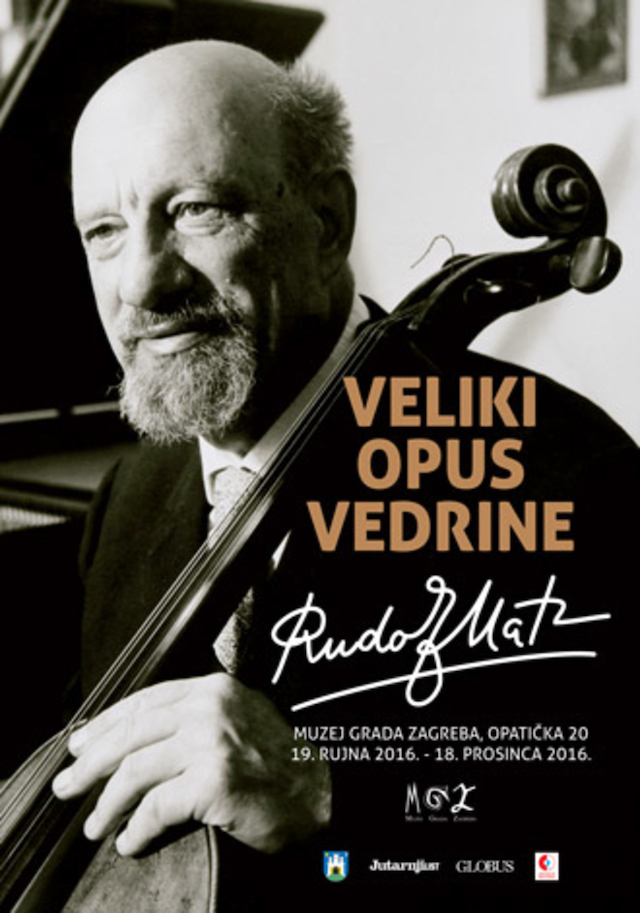
Rudolf Matz: cellist, teacher, author, and sportsman


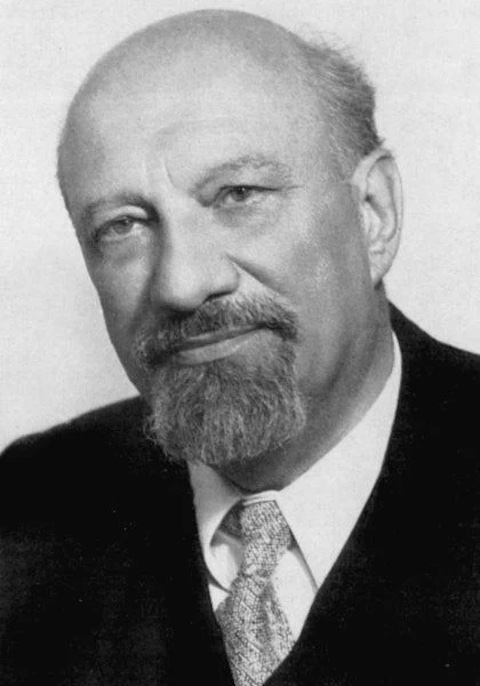
Rudolf Matz, the greatest cello theorist in the world


Rudolf Matz

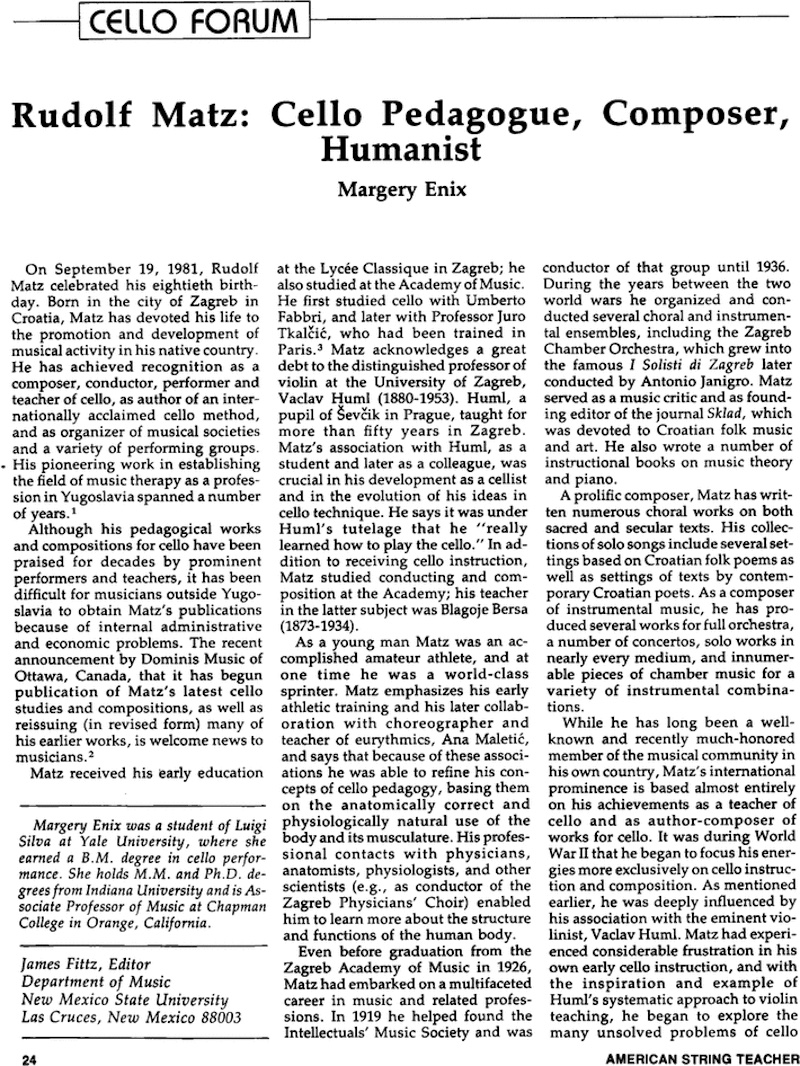
Croatian born Rudolf Matz (1901-1988) began work on what would become his First Years of Violoncello in the early 1940-s, and he would continue to expand, revise, and make more complete this monumental undertaking for the next 45 years. His interest and experience as a teacher, performer, composer and author informed the content of these of these technical exercises, etudes, and concert pieces, as did his early life experience as a competitive sprinter and his later interest in and study of anatomy, physiology, and ergonomics.

Furthermore, Matz's work with the Vaclav Huml, a Prague-trained violinist and former student of Sevcik, and Antonio Janigro, a virtuoso cellist well-versed in the modernizations of cello technique by Casals by way of Janigro's study with Diran Alexanian provided a model and added richness and depth to Matz's endeavor.

The 31 volumes of Matz's First Years of Violoncello were published in Zagreb between 1946 and 1971, but these editions are no longer in print. Many of the works have been newly published by Dominis Music beginning in 1982 - a publishing house established by Matz's former student and friend, Slobodan Gospodnetic.

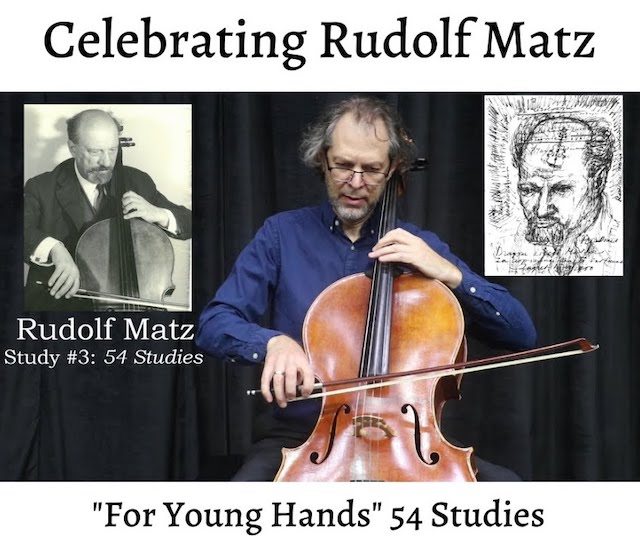
All of the pieces I (Stephen Feldman) will add to this channel in the first part of this Celebration of Rudolf Matz are published by Dominis Music and are widely available.

Stephen Feldman: Celebrating Matz (YouTube channel, consists of 213 videos, as of Nov 2024)


Rudolf Matz
Cellist, Teacher, Author


Born in Zagreb, Croatia in 1901, Rudolf Matz studied cello, composition, and conducting at the Zagreb Academy of Music, graduating in 1926. His musical career is noted for its diversity and he has long been recognized as one of the leading figures in the cultural life of his native country. He was appointed Professor of Cello at the University of Zagreb in 1950 and held that position until his retirement in 1972. He has served as a member of several juries for the International Tchaikovsky Competition in Moscow since 1966. A prolific composer who has written works for a wide variety of media, Matz has produced nearly 100 compositions for cello or cello ensembles.

His magnum opus, the 31-volume method, entitled First Years of Violoncello, was first published in Zagreb with various volumes appearing between 1946 and 1971. Cellists throughout Europe and North America soon recognized the importance of this work, which has been described as the best and most comprehensive method for cello since the publication of J.L. Duport's Essay on Fingering the Violoncello and on the Conduct of the Bow in the early 19th century.

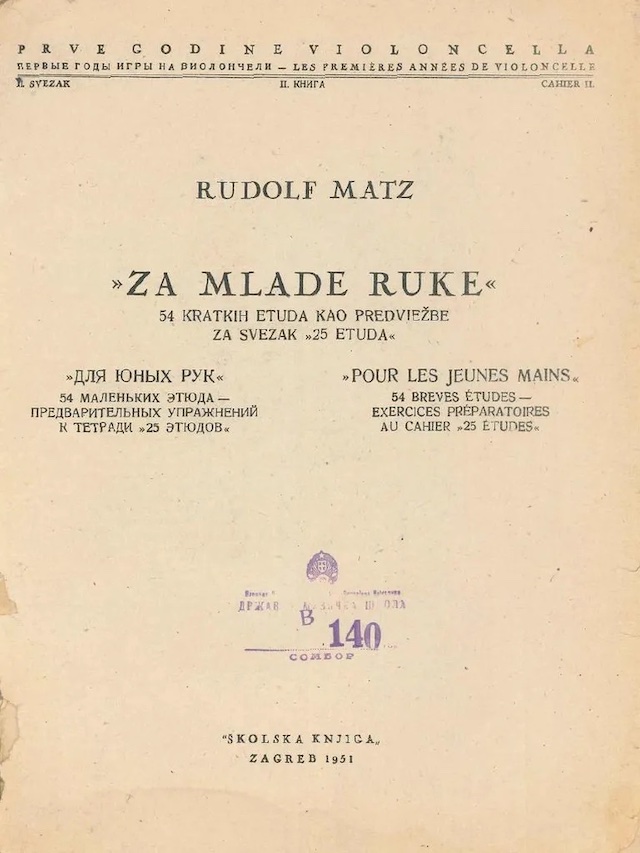
"For Young Hands", cello manual published in Croatia's capital Zagreb in 1951


Professor Matz's pedagogical works and compositions for cello are based on a profound understanding of the historical evolution of cello playing as well as on his own practical experience as a performer and teacher. They differ significantly from other 20-century cello works in that he has thoroughly and systematically revised the pedagogical approach to the all-important early years of technical and musical development. His revisions include: practical application of relevant concepts and recent discoveries from the fields of anatomy, physiology, sports medicine and psychology; correction or elimination of various pedagogical "errors" such as over-extension of the left hand which appeared in some early 20th-century methods; and the successful combination of the best features of various schools of technique in a balanced and practical form. Rudolf Matz died in Zagreb, Croatia in 1988.

Source www.dominismusic.com


Rudolf Matz with his signature


Founded in 1982

Dominis Music was founded with the express purpose of publishing string music. Dominis Music began producing new editions of the works of internationally acclaimed cellist/composer Rudolf Matz in 1982 and progressed to the publication of works for cello and other string and chamber music written by both contemporary and Classical composers.

Our Founder

Slobodan Gospodnetic's experience of the pedagogical genius of Matz dates back to his youth in Zagreb, Yugoslavia where Rudolf Matz was his first cello teacher. Over the years, their student-teacher relationship developed into a friendship and professional association. After moving to Canada and beginning his own career as a performer and teacher, Slobodan became aware of the limited distribution of Matz's valuable work and developed a keen interest in seeing to it that his unique contributions to string pedagogy did not fall into oblivion. It was this interest, together with Matz's encouragement, which inspired Slobodan to establish Dominis Music.

Dominis Music

The latest publication, Freedom and Flexibility of the Violinist's Left Hand, by Borivoj (Boro) Martinić-Jerčić has been praised as an, "indispensable, innovative and invaluable tool, which will help students and professionals alike understand the intricacies of left-hand motion". This publication includes a demonstration DVD.

Dominis Publishing

Building upon the important aspect of music history, the study of influence, especially the influence of musicians of each generation upon those of succeeding generations. In addition to publishing the works of Rudolf Matz, Dominis Publishing is proud to publish the works of other influential musicians, poets, artists and authors, such as Margery Enix, Ivan Lackovic-Croata, Dragutin Tadijanović, Antun Gustav Matos, Ivan Mažuranić, Jugoslav Gospodnetić, Antonin Kraft, Jacques Faubert, and Gertrude Perreault.

Source www.dominismusic.com


In an interview in his late years, Matz espoused the following credo:

My experience has shown me that music has a very great influence on people. This was the crucial factor that led me to devote my life to music and especially to teaching and showing people how to discover beauty in music. I believe that an understanding of the inherent beauty of musicen riches human character and gives it a wider humanistic base. It is this humanism which I wanted, with the help of music, to develop in people.

Translated from Croatian by Vesna Blažina.
Published in Gaudeamus No 16-17, June 1998, p. 26.


Andre Navarra: My Cello Technique
(New English subtitles)


  • Part 1: The Bow Technique of Navarra
  • Part 2: Bow Technique & the Left Hand
  • Part 3: Left Hand Exercises & Scales
  • Part 4: Left Hand Exercises & Vibrato


Rudlf Matz contributed greatly to the affirmation and development of music therapy in Croatia.

Jointly with distinguished Croatian psychiatrists Vladimir Hudolin and Darko Breitenfeld, Rudolf Matz initiated founding the Association of music therapists in Croatia, which gathered physicians, musicologists, defectologists, pedagogues, and psychologists. Rudolf Matz was its first president, and later its honorary president. He delivered numerous lectures, and presided over international congresses and symposiums in Zagreb, which has become one of the world centers of music therapy. He organized a systematic education of young music therapists at the Academy of Music of the University of Zagreb, which started in 1974. In 1971, Rudolf Matz founded and directed the choir called the Zagreb Physicians-Singers (Medici Cantores Zagrabiensis, [PDF]).

Rudolf and Margita Matz Memorial Collection was set up in their appartment in Zagreb, Mesnicka 15, which once famed for its encounters with musicians and intimate concerts. In 1967 Matz was visited by a celebrated cellist Mstislav Rostropovich. Rudolf Matz composed the melody of the anthem of the Croatian cultural society Napredak (Advancement) in Sarajevo, capital of Bosnia and Herzegovina.


K suncu prosi vsaka roža, verses by Croatian poet Dragutin Domjanić,
and music by Rudolf Matz (other version of the same song)

Rudolf Matz: Elegija, performed by Stjepan Hauser with the Zagreb Soloists in 2013

Boris Papandopulo Croatian composer interpreted by American pianist Nicholas Phillips 25 Feb 2012 Houston TX

By Nenad N. Bach and Darko Žubrinić
Published  02/17/2012

Boris Papandopulo 1906-1991 is one of the greatest Croatian composers


Boris Papandopulo, Croatian composer
portrait made by Tatjana Kostanjević


You are cordially invited to an evening of CROATIAN PIANO MUSIC with up and coming American concert pianist - Wisconsin's own NICHOLAS PHILLIPS. Nick will be performing works of renowned 20TH Century

Croatian composer - BORIS PAPANDOPULO. It is my great pleasure to host this event and I will also perform a few of my own pieces.

Croatian appetizers will be served during intermission. We will be on KUHF (NPR for Houston) radio on the show "Front Row" that week.
Please join me for this unique evening of music.

CROATIAN PIANO MUSIC

featuring composer

BORIS PAPANDOPULO

performed by American pianist

NICHOLAS PHILLIPS

hosted by Loreta Kovacic

Saturday, Feb 25th 2012 at 5 pm

at Christ the King church: 2353 Rice blvd. Houston TX 77005 in the Rice Village.

Please park in the Rice University parking lot across the street.


Recorded by pianist Nicholas Phillips at Wild Sounds Recording Studio, Minneapolis, MN. Check out my CD, "Boris Papandopuo: Piano Music"
coming out on Albany Records on June 1, 2011.


Pianist Nicholas Phillips performs the first movement of Boris Papandopulo's Sonatina (1942). This movement is probably his most "Impressionistic" work,
with a pentatonic melody over cascasing scale patterns. This video was recorded while reading from an iPad with AirTurn bluetooth foot pedal.
Phillips has recorded a CD of works by the Croatian composer called "Boris Papandopulo: Piano Music" (Albany Records).


44. tribina Darko Lukić, Mala dvorana Vatroslava Lisinskog
10. siječnja 2011.
ZITA VARGA, cello
NADIA VARGA MODRIĆ, piano
Boris Papandopulo: RAPSODIJA CONCERTANTE, Arioso, Danza


kompozitor BORIS PAPANDOPULO
obrada:
prof. DALIBOR CIKOJEVIĆ klavir
MIRO DIMIĆ bubnjevi


Performance of B. Papandopulo by Nicholas Phillips at Open Doors Concerrt Series, Eagan, MN (October 1, 2011)


The second movement of Boris Papandopulo's Partita for solo piano (1931), performed by pianist Nicholas Phillips in Gantner Concert Hall, University of Wisconsin-Eau Claire.
The CD "Boris Papandopulo: Piano Music" is available from all major online retailers.


B. Papandopulo - Concertino za trublju, gudače i timpane
1. Capriccio, 2. Interludium
Tiziano Severini Dirigent
Vedran Kocelj, truba and Ivana Bilić Timpani
2.10.2003. Dvorana Vatroslav Lisinski Zagreb
MAJSTORSKI CIKLUS, SIMFONIJSKI ORKESTAR HRT


Boris Papandopulo: Danza
Marie Spaemann, cello and Srebrenka Poljak, piano
Live performance, Vienna Konzerthaus, Schubert-Saal
Vienna, May 3, 2010
Danza is a movement from Rapsodia Concertante published by International Music Company, New York


Vasko Lukas - bassoon & mandolin orchestra "Sanctus Domnio" play the first movement of rarely performed Concerto for Bassoon by Croatian composer Boris Papandopulo
(originally for bassoon and string orchestra). Recording from the live concert at "St. Duje" Cathedral in Split, Croatia.


Viktor Vidovic performing Three Croatian dances, part III-Allegro commodo by Boris Papandopulo (Live)


Boris Papandopulo - Kolo, Ante Blažević piano


Boris Papandopulo - Gospode pomiluj, from Hrvatska misa (Croatian Mass)
inspired by Croatian Glagolitic Singing


Boris Papandopulo - Rona - Muha (Nada Ruždjak soprano)


43. susret pjevačkih zborova - Novigrad 2010
Šibensko pjevačko društvo "Kolo"


BORIS PAPANDOPULO: "Allegro" from Sonatina for Piano (1942)
Nicholas Phillips, piano, from Albany TROY1274


Boris Papandopulo (Honnef am Rhein, February 25, 1906 – Zagreb, October 16, 1991): Croatian composer and conductor. He was the son of the Greek noble Konstantin Papandopulo and the Croatian opera singer Maja Strozzi-Pečić. He studied composing in Zagreb and conducting in Vienna. Papandopulo led the chores "Kolo" from Zagreb and "Zvonimir" in Split and was also the director of the Croatian National Opera and the conductor of the Radio Croatia Symphonic Orchestra (Simfonijski orkestar Hrvatskog radija). He directed and conducted the Operas in Rijeka, Sarajevo, Zagreb and Split. Boris Papandopulo is the author of the major Croatian classical music Opus (over 440 works).

Source www.discogs.com


The piano music of Boris Papandopulo

Kovacic, Loreta

This dissertation examines the life and music of the Croatian composer Boris Papandopulo. The socio-political climate in which he lived is taken into account, and special attention is devoted to the duality in his compositional style. This duality is characterized by his use of both neoclassic and folk components, and derives from his studies of traditional Western European music as well as from his Croatian heritage. He is thus seen to have been a synthesizer in the best sense of the word. Croatia, a small country positioned on the outskirts of Europe, has its own distinctive identity; and its singular position gave Papandopulo's music the special quality of being both national and international at the same time. His music was heavily influenced by formal techniques, such as the twelve-tone method, yet remained highly individual. Special emphasis will be given to the piano works of this unique and relatively unknown composer.

See the dissertation at Rice University scholarship.rice.edu


Zagreb Chamber Music Festival - B. Papandopulo / Rhapsody Concertante - 1. Introduzione
Monika Leskovar - cello and Petra Gilming - piano
recorded live at the 2nd Zagreb International Chamber Music Festival, Oct. 19th 2007


Zagreb Chamber Music Festival - B. Papandopulo / Rhapsody Concertante - 2. Arioso
Monika Leskovar - cello and Petra Gilming - piano
recorded live at the 2nd Zagreb International Chamber Music Festival, Oct. 19th 2007


Zagreb Chamber Music Festival - B. Papandopulo / Rhapsody Concertante - 3. Danza
Monika Leskovar - cello and Petra Gilming - piano
recorded live at the 2nd Zagreb International Chamber Music Festival, Oct. 19th 2007


Major works of Boris Papandopulo

Operas

  • "Sunčanica" (libreto: Marko Soljačić, temeljem Sunčanice Šiška Gundulića i Osmana Ivana Gundulića)
  • "Amfitrion"
  • "Rona".

Balets:


  • "Zlato"
  • "Teuta"
  • "Kraljevo"

Other works

  • "Istarske freske"
  • "Marulova pisan"
  • "Muka gospodina našega Isukrsta"
  • "Hrvatska misa u d-molu op. 86"
  • "Podnevna simfonija"
  • Osam studija
  • Osorski requiem
  • Klarinetski kvintet
  • Kantata "Himna suncu" (Praizvedena: 25. studenog 2010.)


Od praizvedbe 1942. godine „Sunčanica“ je iznimno hvaljena, ali rijetko, tek koncertno i fragmentarno, izvođena Papandopulova opera. Nastala na motivima iz Gundulićeva „Osmana“, u libretu Marka Soljačića pokušale su se zadržati i uklopiti sve literarne i glazbene vrijednosti. Skladana na kraju razdoblja nacionalnog stila, uspostavljajući strukturu između korištenja folklornih elemenata i spajanja istih s modernim, tada suvremenim glazbenim izričajem, unutar priče koja nameće ideju humaniteta, ova opera iznimno je intrigantna, poticajna i zanimljiva. U priči koja tematizira naše prostore i bori se, slijedom velikih literarnih djela, za osjećaj bratstva i ljudskosti koji se, kroz pobjedu ljubavi, ostvaruju na kraju priče. Iznimno aktualna, na najboljim zasadama tradicije i literarne baštine, u sjajnom spoju priče i glazbenog tretmana, ovo je ponovno scensko otkrivanje još jednog domaćeg opernog djela.

Izvor www.hnk-zajc.hr

‘Sunčanica’ je praizvedbu imala 13. lipnja 1942. godine, te je ujedno to i prva opera Borisa Papandopula. Napisao ju je 1935., a uz ‘Sunčanicu’ je skladao još opere Amfitrion (1936.) i Ronu (1955.). ‘Sunčanicu’ je u tadašnjoj izvedbi režirao Branko Gavella, dok su je koreografirali Ana Roje i Oskar Harmoš, a u naslovnoj ulozi nastupila je prvakinja hrvatske opere Srebrenka Jurinac (1921.-2011.)


Croatian Post issued a postage stamp in honour of Boris Papandopulo in 2006.


Boris Papandopulo: Hrvatska misa / Croatian Mass, composed in 1942.

1906. rođen Boris Papandopulo
1927. Boris Papandopulo, 1. gudalački kvartet
1933. Boris Papandopulo, Glasovirski koncert
1935. Boris Papandopulo, "Sunčanica", opera
1938. Boris Papandopulo, Simfonieta
1942. Boris Papandopulo, "Hrvatska misa" (Croatian Mass)
1943. Boris Papandopulo, državna nagrada za "Sunčanicu"
1944. Boris Papandopulo, državna nagrada za "Koncert za violinu i orkestar"

Izvor [Josip Andrić, str. 181-185]


Hrvatski književnik Vojmil Rabadan napisao je poemu Carmen Boscovichianum iliti Spomen mali velikom nam Rudi (poema uz 200. obljetnicu smrti Ruđera Josipa Boškovića DI), daktilograf, Zagreb 1987., str. 8. Na taj tekst kantatu je skladao maestro Boris Papandopulo.

Izvor Valentin Pozaić


Srdačno Vaši: BORIS PAPANDOPULO, skladatelj (1985), interview vodio Ivan Hetrich

Luka Sorkočević 1734-1789 distinguished Croatian composer born 22 years before Mozart

By Nenad N. Bach and Darko Žubrinić
Published  11/26/2024

His two sisters were the first Croatian women composers


Symphony in D major by great Croatian composer Luka Sorkočević


Luka Sorkočević (1734-1789), whose beautiful symphonies are performed throughout the world, lived in Dubrovnik. His two sisters were the first women-composers in Croatia.

Sorkočević was born 22 years before Mozart.


Luka Sorkocevic (1734-1789)

Sonata in A major:

Symphony No.3. D major:


Remark by D. Zubrinic: This is a part of former Dubrovnik web at www.hr (active from 1995 till 2000?), prepared by the late professor Enver Sehovic, Faculty of Electrical Engineering and Computing of the University of Zagreb.


Luka Sorkočević - Simphony in G-major
Performed by Salzburger Hofmusik, conducted by Wolfgand Brunner.

Luka Sorkočević - Trio in G major, performed by Salzburger Hofmusik, conducted by Wolfgang Brunner

Luka Sorkočević - Sonata in A major
Perfomed by Salzburger Hofmusik, conducted by Wolfgang Brunner

Luka Sorkočević - Eroice Staccato
Performed by Salzburger Hofmusik, conducted by Wolfgang Brunner


Luka Sorkočević

Natural disasters have often seriously damaged or even almost destroyed the cultural heritage of countries and cities. One of the best-known examples is the 1755 earthquake that devastated the royal palace in Lisbon, which contained a huge collection of music from the 16th and 17th century. Other cities had their fair share of disasters as well. One of them is the Croatian city of Dubrovnik. It experienced a ‘golden age’ during the 17th century, but the earthquake of 1667 and the fire which followed not only killed about half of the population but also destroyed many of its monuments. After that Dubrovnik was rebuilt and expanded until the middle of the 18th century. The Sorkočević family - whose property didn’t suffer any damage in the earthquake - played an important role in the city. Several members of the family were members of the Dubrovnik senate.

Luka Sorkočević received an extensive education. His music teacher was the Italian composer Giuseppe Valentini, who was maestro di cappella in Dubrovnik Cathedral in the 1750s. Later on Sorkočević fulfilled several posts in various branches of politics and society. During his relatively short stay in Vienna as ambassador to the imperial court he met several of the leading composers of his time, like Gluck and Haydn, and the famous poet Metastasio.

His musical output isn’t very large and consists mainly of instrumental works, which are collected on this CD. Only some pieces have been left out which are extant in such a rudimentary form that they could only have been reconstructed with major additions.

These instrumental works belong to the transitional period between baroque and classicism. They can neither be associated with the ‘empfindsamer Stil’ – of which the fact that they are exclusively written in major keys is an indication – nor with the modernism of the Mannheim school. Nevertheless, Sorkočević’ music contains traces of both styles.

The ‘largo’ of the Symphony nr 7 shows the kind of expression which is associated with the ‘Empfindsamkeit’ and the first movement of the Symphony no. 1 contains the crescendi for which the Mannheim school was famous.

On the whole these are nice, delightful works, which I have listened to with great pleasure. They deliver more entertainment than deep thoughts, but what is wrong with that?

The performance of the orchestral works is very convincing and satisfying. Only the slow movements, in particular the ‘largo’ from the Symphony no. 7 which was mentioned before, could have been played with a little more feeling. And the Sonata for violin and basso continuo is far too bland and down-to-earth.

There is every reason to be grateful to the performers and the record company for their imagination in recording this music. And let us not forget the musicologist Vjera Katilinić, who has prepared the scores and has written the excellent programme notes in the booklet.

Johan van Veen

Source www.musicweb-international.com


Sorkočević summer palace in Dubrovnik from the 16th century.

Kaliningrad Chamber Philharmonic, Russian Federation, Miran Vaupotić - Croatian conductor.
Philharmonic Concert Hall - December 10, 2010.


Luka Sorkočević - Symphony in D major No 3
Arrangement for mandolin orchestra. Mandolin Orchestra "Sanctus Domnio"
Conductor: Frane Kuss. Recorded in Croatia's capital Zagreb, 2006


Milka Trnina or Ternina 1863-1941 distinugished Croatian opera singer

By Nenad N. Bach and Darko Žubrinić
Published  07/14/2017


Milka Trnina (or Ternina)

Milka Ternina (born Katarina Milka Trnina (1863-1941) was a Croatian dramatic soprano who enjoyed a high reputation in major American and European opera houses. Praised by audiences and music critics alike for the electrifying force of her acting and the excellence of her singing in both German and Italian works, her career was curtailed at its peak in 1906 by a medical condition which paralyzed a nerve in her face.

In 1898, she appeared for the first time in opera in London, performing Isolde in Tristan und Isolde. She would continue to appear at the Royal Opera House, Covent Garden, until 1906, achieving a total of 98 appearances there in a variety of operas.

Ternina appeared at the 1899 Bayreuth Festival in the role of Kundry in Parsifal. According to Oxford's concise operatic dictionary, this would prove to be her sole appearance at Bayreuth. On January 27, 1900, Ternina made her debut at the Metropolitan Opera in New York City as Elisabeth in Tannhauser. During her fruitful association with the Met she sang Kundry in Parsifal's first American performance. Because this staging of the opera was not authorized by the Wagner family, she was never again invited to appear at Bayreuth, despite her stature as an artist.

Ternina famously sang the title role in the 1901 American premiere of Giacomo Puccini's Tosca, performing the part at the Met to considerable acclaim on 18 further occasions. The previous year she had been London's first Floria Tosca, too, with the composer, who had been in the audience at Covent Garden that night, describing her interpretation as "ideal". She thus became the English-speaking world's most renowned interpreter of this particular Puccini heroine.

In 1906 Ternina suffered an attack of facial paralysis which affected her eye area. The ailment did not yield to medical treatment and she was required to retire from the stage at the height of her powers. For a year she taught singing at the Institute of Musical Art in New York City, after which she withdrew from the international music scene and returned to Zagreb. Her best known pupil in Zagreb was the celebrated spinto soprano and Metropolitan Opera star Zinka Kunc Milanov.

Ternina died in Zagreb in 1941, aged 77. She did not make any commercial recordings of her voice but fragments of her singing can be discerned on Mapleson Cylinders recorded live at the Met at the start of the 20th century. These are available on a CD re-issue by Symposium Records (catalogue number 1284).

Source en.wikipedia.org

  • According to Giacomo Puccini, author of the famous opera Tosca, she was the best "Tosca" that he had opportunity to listen to (on the London premiere in 1900).

Lit.


Milka Trnina was friendly with the famous scientist Nikola Tesla, who loved music and had his own permanent box in the Opera. Ternina was among the circle of people who would visit Tesla's laboratory at 5th Avenue in Manhattan, and followed his experiments. Tesla'­s American friend Robert Underwood Johnson5 in his memoirs says that he was once together with Tesla, Mark Twain and Jefferson, and on another time there were also the well-known Kneissl Quartet, the Bostonian conductor of the Symphony Orchestra Wilhelm Gericke and Madame Ternina, the great primadonna.

Robert Underwood Jonson (1853-1937), American poet, translator and editor of the Century Magazine, 1873-1909.

Robert Underwood Jonson: Remembered Yesterdays, 1923, pp. 399-401, web

See also www.infozagreb.hr


Memorial wreath ribbons dedicated to Milka Ternina with banner gold on silk, woven in German.

Croatian Coat of Arms dedicated to Milka Ternina


At a concert held during the crowning of Tsar Nicholas II in 1896 in Moscow, the Russian tsarina requested her
to perform Isolde's "€œLove Death", one of the most beautiful arias from Wagner's opera, "Tristan and Isolde".
The royal couple rewarded her generously to show their gratitude -€“ the Russian tsar gave her a large diamond
broche laden with rubies, which is kept at the Museum of Arts and Crafts in Zagreb, while the tsarina
gave her a diamond bracelet. Source www.infozagreb.hr.


Milka Ternina and the Royal Opera House

Croatian soprano, Milka Ternina, was an international star at the turn of the twentieth century. This exhibition, drawn from the Milka Ternina Bequest of the Zagreb City Museum, celebrates Milka Ternina's life, career and long association with London - 100 years after her last performance at the Royal Opera House.

Milka Ternina was born on 19 December 1863 in Doljnji Sip, near Vezišće, a small village 50 kilometres from Zagreb, then the capital of Croatia which was part of the Austro-Hungarian empire. Following the death of her father when she was six, Ternina's family decided she would receive a better education and more opportunities if she went to live with her uncle and aunt in Zagreb. Her uncle Janko Jurković was a writer and government counsellor, who was at the heart of cultural life in the historic Old Town of Zagreb. Following her education in Zagreb, Ternina studied voice at the Vienna Conservatory with Professor Joseph Gansbacher and won the coveted medal for the best student.

Ternina made her stage debut in Zagreb on 11 April 1882, singing Amelia in Un ballo in maschera (Verdi), the first steps in a career which would see her performing in Leipzig, Graz, Bremen, Munich, London, Bayreuth, New York and Boston. Sadly this glittering career was cut short after little more than 20 years, following complications from an inflamed facial nerve. Ternina returned to Zagreb in 1913, where she lived until her death on 18 May 1941.

Following her retirement, four of Ternina's costumes were exhibited in the Zagreb City Museum and these costumes along with other memorabilia were given by Ternina to the Museum in perpetuity. For Ternina her costumes were "wonderful memories of artistic work and glory" and she stipulated that "€œthey must not leave Zagreb". Seen for the first time outside of Zagreb since her retirement, it is fitting that they should return, on loan, to the Royal Opera House, a theatre for which she retained great affection.

One of the highlights in Ternina's career was singing the title role in Giacomo Puccini's Tosca at its premiere at the Royal Opera House on 12 July 1900. Puccini was in the audience for the premiere and joined her on stage for a curtain call. On display is an affectionately inscribed photograph of Puccini, who later declared that "No other Tosca has ever approached Ternina's"€. Ternina followed her triumph in London with the premiere of Tosca at the Metropolitan Opera House, New York, in 1901. At this time, leading opera singers travelled with a trunk of costumes. Ternina's costumes were an integral part of her approach to each role, and she took a keen interest in their design and creation. In 1900, she commissioned British artist and costume designer Percy Anderson to design costumes for a range of roles. His attention to detail and harmony of colours had a dramatic effect on stage.

Ternina kept 32 of Anderson's exquisite watercolour sketches, which are displayed with the four surviving costumes from Tosca, Tristan and Isolde and Tannhauser, some of the finest examples of theatrical design and craftsmanship from the early 20th century. Made in London, the costumes were lovingly restored by Zagreb City Museum, who found labels indicating that 'Miss Fisher, Theatrical Costumire, 22 Bedford Street, Covent Garden' made the Tosca Act II costume and 'M Nettleship, 58 Wigmore Street, London' made the costume for Elizabeth in Tannhauser.

The two magnificent Tosca costumes are in the French Empire style, reflecting the period in which the opera is set. The costumes from the Wagner operas Tristan and Isolde and Tannhauser are in the medieval style favoured by many designers of Wagner operas. The Tannhäuser costume was last seen at the Royal Opera House on 28 August 1906, when Ternina sang Elizabeth, her favourite role, in what would be her final performance here.

These costumes can be seen in the Carriage Entranceway and in the Floral Hall. The wall cases leading off the Main Entrance Foyer are devoted to Ternina's appearances at the Royal Opera House and include a selection of Percy Anderson costume designs, photographs, programmes and press cuttings. In the Cloakroom Corridor there are photographs and programmes recalling her life and career, alongside showcases displaying photographs, scores and commemorative items, including some of the silver laurel wreaths presented to Ternina during her distinguished career.

Ternina lived boldly for her art, declaring at the end of her life that "Artistic life is difficult and painful, but despite that, if I could live again and could choose, I would choose no other vocation".

Nada Premerl

Source Milka Ternina and the Royal Opera House, Nada Premerl

Croatian soprano, Milka Ternina, was an international star at the turn of the twentieth century. This exhibition, drawn from the Milka Ternina Bequest of the Zagreb City Museum, celebrates Milka Ternina's life, career and long association with London 100 years after her last performance at the Royal Opera House. Milka Ternina was born on 19 December 1863 in Doljnji Sip, near Vezišće, a small village 50 kilometres from Zagreb, then the capital of Croatia which was part of the Austro-Hungarian empire. Following the death of her father when she was six, Ternina's family decided she would receive a better education and more opportunities if she went to live with her uncle and aunt in Zagreb. Her uncle Janko Jurković was a writer and government counsellor, who was at the heart of cultural life in the historic Old Town of Zagreb. Following her education in Zagreb, Ternina studied voice at the Vienna Conservatory with Professor Joseph Gänsbacher and won the coveted medal for the best student. Ternina made her stage debut in Zagreb on 11 April 1882, singing Amelia in Un ballo in maschera (Verdi), the first steps in a career which would see her performing in Leipzig, Graz, Bremen, Munich, London, Bayreuth, New York and Boston. Sadly this glittering career was cut short after little more than 20 years, following complications from an inflamed facial nerve. Ternina returned to Zagreb in 1913, where she lived until her death on 18 May 1941. Following her retirement, four of Ternina's costumes were exhibited in the Zagreb City Museum and these costumes along with other memorabilia were given by Ternina to the Museum in perpetuity. For Ternina her costumes were wonderful memories of artistic work and glory and she stipulated that they must not leave Zagreb. Seen for the first time outside of Zagreb since her retirement, it is fitting that they should return, on loan, to the Royal Opera House, a theatre for which she retained great affection. One of the highlights in Ternina's career was singing the title role in Giacomo Puccini's Tosca at its premiere at the Royal Opera House on 12 July 1900. Puccini was in the audience for the premiere and joined her on stage for a curtain call. On display is an affectionately inscribed photograph of Puccini, who later declared that "No other Tosca has ever approached Ternina"". Ternina followed her triumph in London with the premiere of Tosca at the Metropolitan Opera House, New York, in 1901. At this time, leading opera singers travelled with a trunk of costumes. Ternina's costumes were an integral part of her approach to each role, and she took a keen interest in their design and creation. In 1900, she commissioned British artist and costume designer Percy Anderson to design costumes for a range of roles. His attention to detail and harmony of colours had a dramatic effect on stage. Ternina kept 32 of Anderson's exquisite watercolour sketches, which are displayed with the four surviving costumes from Tosca, Tristan and Isolde and Tannhäuser, some of the finest examples of theatrical design and craftsmanship from the early 20th century. Made in London, the costumes were lovingly restored by Zagreb City Museum, who found labels indicating that 'Miss Fisher, Theatrical Costumire, 22 Bedford Street, Covent Garden' made the Tosca Act II costume and 'M Nettleship, 58 Wigmore Street, London' made the costume for Elizabeth in Tannhäuser. The two magnificent Tosca costumes are in the French Empire style, reflecting the period in which the opera is set. The costumes from the Wagner operas Tristan and Isolde and Tannhäuser are in the medieval style favoured by many designers of Wagner operas. The Tannhäuser costume was last seen at the Royal Opera House on 28 August 1906, when Ternina sang Elizabeth, her favourite role, in what would be her final performance here. These costumes can be seen in the Carriage Entranceway and in the Floral Hall. The wall cases leading off the Main Entrance Foyer are devoted to Ternina's appearances at the Royal Opera House and include a selection of Percy Anderson costume designs, photographs, programmes and press cuttings. In the Cloakroom Corridor there are photographs and programmes recalling her life and career, alongside showcases displaying photographs, scores and commemorative items, including some of the silver laurel wreaths presented to Ternina during her distinguished career. Ternina lived boldly for her art, declaring at the end of her life that Artistic life is difficult and painful, but despite that, if I could live again and could choose, I would choose no other vocation. Nada Premerl Source Milka Ternina and the Royal Opera House


SLAVNOJ HRVATICI (To Famous Croatian Woman)
MILKI TRNINI (Milka Trnina)
MLADE HRVATICE (Young Croatian Women)


MILKA TRNINA (1863-1941)

Milka Trnina (or Ternina) was born in Vezišće (Moslavina) on 19 December 1863. She was Croatian opera artist (soprano), the greatest among a number of distinguished singers whom Croatia gave to the world in the 19th and 20th century. She was celebrated as one of the greatest singers of her time, with beautiful, powerful and carrying voice and perfect singer's technique, of gracious scenic appearance, noble face and - especially pointed out - unique, magic acting. In the history of world opera art, known as "legendary Ternina", she is still referenced in all encyclopaedias.


Croatian postage stamp dedicated to Milka Trnina,
designed by Dubravka Zglavnik-Horvat.

Born as miller's daughter, she became world famous due to her great talent, her God-given voice, diligence and excellent education. As a girl, she came into the house of a relative and writer Janko Jurković in Zagreb, where she received her first music lectures from Ida Wimberger. Then she left for Vienna to study at the Academy with Joseph Gansbacher, at that time the best teacher of singing. Already as a student she sang at concerts in Vienna, Zagreb, and in Varaždinske Toplice since 1879 and her first opera performance was in Zagreb, the role of Amelia in A Masked Ball (G. Verdi) in 1882.

There followed permanent engagements in leading opera houses in Germany and in Austria: Leipzig (1883-1884), Graz (1884-1886), Bremen (1886-1889) and Munich (1889-1899). In Munich she was honoured with the title "royal Bavarian chamber singer", words that are written also on her tomb at the Zagreb cemetery Mirogoj. She sang also in Bayreuth, Prague, Moscow, Zurich, Zagreb and USA and was most admired in the Royal Opera Covent Garden in London and in Metropolitan Opera in New York.

In London and in New York she participated in their premiers of the Puccini's opera Tosca, in 1900 and in 1901. She sang in 1903 the role of Kundry in New York, in the first performance of Wagner's Parsifal outside Bayreuth. She was the second best paid star in the history of Metropolitan Opera: the mezzo-soprano Emma Calvas was earning 1800 American dollars and Trnina 1250 dollars per performance; the earnings of Enrico Caruso, her partner in Tosca, have never come close to those of Trnina. During her career from 1882 to 1906, when she had to withdraw from stage for facial nerve disorder, she sang 64 roles in 59 operas composed by 34 authors. In some operas, especially by Mozart and Wagner she sometimes alternated in two roles. Although she performed in most diverse operas of Italian, German, and French style, she was best known by her interpretations of Wagner's heroines and drew special attention when performing in Mozart's operas.

Trnina was unique in tragic as well as in comic roles. Modern composers tried to persuade her to perform in the first nights of their operas and to those who succeeded, great success was always granted. For this reason some of those operas have later never been staged and were forgotten since there was no more that ingenious artist to "€œcarry"€ the performance. Her colleagues on stage were always the greatest opera stars of the period when opera art was at its peak. Also conductors at those performances were the best of the time, all of whom immensely admired her.

Trnina paid special attention to her excellently studied and made, gorgeous costumes; the best were created by Percy Anderson in London. Trnina never recorded her singing on records; there exist only badly damaged life recordings from Metropolitan Opera from the beginning of the 20th century on phonograph cylinders.

After she had withdrawn from public life, she dedicated herself to quite, charitable activities. In Zagreb, Trnina attended music life and followed life and work of young singers at the Music Academy with great interest. She recognised only one pupil - a great Zinka Kunc Milanov, to whom she said: "You will be my successor".

Milka Trnina has not become silent until today, since the most beautiful falls of Plitvice Lakes that always whirr and babble are named after her. Let us end this text with the words of Milka Trnina: "Artist's life is hard and laborious; if I could come to live once again, and if I would have the choice I would never choose another profession."

Ivan Mirnik

Source www.posta.hr


According to her last wish, when Milka Trnina died, there were no speeches during the funeral,
but only the Croatian national anthem "Lijepa Naša" (Our Beautiful) was sung.


Announcing Milka Trnina as a guest star at the Croatian National Theatre in Zagreb.
The announcement is accompanied with Croatian Coat of Arms.


Croatian Coat of Arms

In 1898, Milka Trnina was elected as honorable member of the Croatian National Theatre in Zagreb.

Croatian National Theatre on the right is the Opera House in which Milka Trnina started her singing career.


Many thanks to Mrs. Katica Šarlija and her pupils in the village of Samarica in Moslavina (not far from Milka Trnina's birthplace),
for having inspired the creation of this web page.

Jazz

Helen Merrill aka Jelena Ana Milcetic, one of the most distinctive jazz singers ever

By Nenad N. Bach and Darko Žubrinić
Published  10/28/2024


Helen Merrill aka Jelena Ana Milcetic


Helen Merrill - You'd Be So Nice To Come Home To - live 1960.
Festival de Jazz d'Antibes, Juan-les-Pins, France, July 1960.

Helen Merrill's father, Frano Milčetić, had four daughters: Margaret, Helen, Dorothy, and Anna.
On the top, sisters Dorothy and Helen (Merrill).
In the next row are Frano's oldest daughter Margaret, Mr. Frano Milčetić, his grandson (and the son of Helen) Alan Merrill,
and Frano's daughter Anna on the right. Photo from about 1953.
Many thanks to Mrs. Dorothy for sending us this very nice photo and for her explanations.


Helen Merrill - excerpt from an interview

I never had a singer as an idol. I listened to many musicians and my idols were [saxophonists] Ben Webster, Lester Young, Johnny Hodges. These people knew the lyrics of the songs and interpreted the music with the meaning of the song in mind adding their own special feelings. My mother was my real influence. She felt music from a very spiritual place. A private place that was all her own. This kind of music can have no teacher - it came from her birthplace which was the island of KRK in Croatia. From that, I permitted my own experiences to lead my interpretation of music. I do not believe that art should emulate or we would still be looking for clones. We learn from one another and from there go on our own journey.

Helen Merrill

I learned that spaces and the imagination of the listener were as important as the messenger. There are lines in "I'll Take You Home Again Kathleen" to this day I feel deeply moved by: "The roses all have left your cheeks, I watched them fade away and die... your voice is sad when e're you speak and tears bedim your loving eyes, Oh I will take you home Kathleen to where your heart will feel no pain," etc. - it was clear to me my mother was singing about herself. My mother missed her homeland and family there.

Source www.croatia.org/crown/articles/8792/1/Helen-Merrill-60-Years-of-Warm-Sweet-Songs.html


Helen Merrill aka Jelena Ana Milcetic
Review by Alex Henderson

Helen Merrill has never been afraid to take chances, but the veteran jazz singer is especially ambitious on Jelena Ana Milcetic -- an autobiographical (or at least semi-autobiographical) work that draws on jazz, pop, and folk as well as traditional Croatian music. This is an extremely personal CD, and to fully appreciate it, you should know something about Merrill's background. Although she was born and raised in the U.S., her parents were Croatian immigrants -- Jelena Ana Milcetic is the Croatian name she was given at birth, but the jazz world has known her as Helen Merrill.


The singer (who was 68 and 69 when this CD was recorded over a five-month period in 1999) learned a lot of about Croatian culture from her parents, and by calling this release Jelena Ana Milcetic, she is celebrating her heritage. But the album is also a celebration of Merrill's American heritage. By housing jazz, pop, folk, and Croatian elements under the same roof, the New Yorker acknowledges her parents' homeland as well as her U.S. upbringing. This isn't a release that caters to jazz purists -- although some of the material is very jazz-oriented (especially Merrill's interpretations of "Among My Souvenirs" and "Lost in the Stars"), some of it falls outside of jazz.

But as unpredictable and eclectic as this album is, the CD never sounds confused or aimless. From Judy Collins' "My Father" to Michel Legrand's "Nobody Knows" to the traditional Croatian song "Ti Si Rajski Cvijet," everything fits together perfectly. Jelena Ana Milcetic is among Merrill's most impressive accomplishments.

Source www.allmusic.com/album/aka-jelena-ana-milcetic


Jelena Ana Milcetic a.k.a. Helen Merrill is a 2000 studio by Helen Merrill. The album is a tribute to Merrill's Croatian heritage.

Alex Henderson: "Helen Merrill has never been afraid to take chances, but the veteran jazz singer is especially ambitious on Jelena Ana Milcetic, an autobiographical (or at least semi-autobiographical) work that draws on jazz, pop, and folk as well as traditional Croatian music...But as unpredictable and eclectic as this album is, the CD never sounds confused or aimless...everything fits together perfectly. Jelena Ana Milcetic is among Merrill's most impressive accomplishments"

Croatian traditional tunes sung by Helen Merrill:

  • Kirje (or Kirye; Croatian tamburitza play),
  • Imaging Krk,
  • My Father (starting with the melody of Anko Ančice),
  • Tanac (sopile song from the island of Krk),
  • Ti si rajski cvijet (You Are a Flower from Paradise)


Helen Merrill With Gary Peacock Trio - Until It's Time For You To Go (Japan, 1971)


HELEN MERRILL - CHUGOKU REGION LULLABY ' FROM 1970'S THE SOUND OF TECHNICS JAPAN PRESS LP.
RECORDINGS ARE RECORDED DIRECTLY FROM THE VINYL TO CD AND NO NOISE CANCELING PROGRAM IS USED.
SIDE B TRACK 4 . BAMBOO FLUTE : HOZAN YAMAMOTO.


Helen Merrill in Japan


Helen Merrill in Tokyo

Helen Merrill: Big in Japan, JazzTimes, 2018 (updated in August 2024 by James Gavin)
As for Japan, Merril says, "I might go back for one more sayonara"


Motherless Child - Helen Merrill in Tokyo & sings folk (1963, at the age of 33)


Helen Merrill's parents

Helen Merrill's parents are from Croatia, both of them born on the island of Krk: her father (Frano Milčetić) was born in the village of Vantačići, and her mother (Antonija Marija Milčetić) in the town of Malinska.

Her mothers' maiden name was Antonija Marija Milčetić (yes, Milčetić; sic!), born in the village of Bogovići in Dubašnica, 16th November 1901. She was baptised in Dubašnica in the Church of St. Apolinar, which was not far from her home. Her mother (Hellen's grandmother) was also Antonija Milčetić b. Turčić, and her father - Juraj Milčetić.

Hellen's parents - Frano and Antonija Marija, they met in New York and got married there.

Many thanks to Mrs. Dorothy Milcetic, sister of Helen Merrill, for this information (based on krsni list, that is, baptismal certificate, of her and Hellen's mother).


Mrs. Antonette Milčetić (Helen's mother) on the left, is holding her oldest daughter Margaret in her hands, and with her son Johnny at her feet.
Dorothy's aunt Katie is holding her daughter Antoinette, and then come John and Georgie, Dorothy's cousins.
Many thanks to Mrs. Dorothy Milcetic for sending us this photo.


I read a comment Helen made about our mother Antonette, singing out her pain.
My parents lost their first born son Johnny at 6 years old in a horrible and tragic accident. My mother actually never recovered from it and turned to religion and other things to ease her pain. We girls were not yet born except for Margaret who witnessed the tragedy.

My mother missed her mother and father but returning to visit in those days was impossible. No flights and long expensive ships.

One of the songs that haunts me that she sang was an Irish song, I'll Take You Home Again Kathleen. The words are very poignant for all immigrants. The other song was, Danny Boy also Irish. Helen was very much influenced by our mother in her interpretation in singing.

Dorothy Milcetic


Hellen Merrill's father Frano Milčetić driving a New York tug-boat.
Photo by the courtesy of Mrs. Dorothy Milcetic, sister of Helen.


Helen's (and Dorothy's) sister Anna in Vantačići, a village on the island of Krk in Croatia, where their father Frano Milčetić went to school.
Just behind Anna are her cousin Ivan, Helen and Margaret. The church is dating from 1500.
Anna was a model in New York for several years, before she married a Brazilian and moved to Rio.
Information and photo by the courtesy of Dorothy Milcetic.
Helen Merrill
Helen Merrill sings the Beatles: And I Love Him

Alan Merrill, the son of Helen Merrill, was distinguished rock guitarist and singer (The Arrows),
author of a well known tune I Love Rock 'n' Roll.

Alan Merrill (the son of Helen Merrill), Adam Peel, and Nenad Bach, 2011


"Helen Merrill" - A Timeless Debut in the Jazz Pantheon

Introduction:

In the vibrant tapestry of jazz history, certain albums stand as markers of brilliance, encapsulating the spirit of an era. Helen Merrill's eponymous debut, recorded in December 1954 and released in 1955, is undeniably one such masterpiece. This article explores the richness of Merrill's inaugural venture into the studio, her collaboration with trumpeter Clifford Brown, and the enduring impact of an album that seamlessly weaves together cool jazz and hard bop.

A Pioneering Collaboration: Merrill and Brown

Helen Merrill's debut is not only a showcase of her vocal prowess but also a testament to the collaborative magic between Merrill and the legendary trumpeter Clifford Brown. Quincy Jones, the acclaimed arranger and conductor, provided the backdrop against which Merrill and Brown could weave their musical narratives. Brown, having recorded a similar album with Sarah Vaughan just days before, brought his distinctive trumpet stylings to complement Merrill's vocals. In later years, Merrill paid homage to Brown, who tragically lost his life in a car accident in 1956, by recording a tribute album in 1995. This debut became a poignant marker of their brief yet impactful partnership.

Reception and Critical Acclaim:

The critical reception of "Helen Merrill" has been overwhelmingly positive, earning it a revered place in the jazz canon. Scott Yanow of AllMusic described the music as "essentially straight-ahead bop," noting that Merrill and Brown elevated the seven standards with their musical presence. The album's unique charm lies in its fusion of cool jazz and hard bop elements, creating a distinctive stylistic blend.

A 2007 reissue of Merrill's first two albums prompted David Rickert to declare the sessions as "a vocal jazz feast well worth deserving of more renown." He singled out the performance of "S Wonderful" as exceptional, emphasizing its status as one of the best renditions of the Gershwin tune in years.

Exploring the Tracks:

The tracklist of "Helen Merrill" reads like a journey through the Great American Songbook, each piece a testament to Merrill's interpretive finesse and emotional depth. From the soulful rendition of "Don't Explain" to the breezy " You'd Be So Nice to Come Home To," Merrill showcases her versatility. Notable is her interpretation of Mel Torm'€™s "Born to Be Blue," where she effortlessly embraces the sophistication of Torm'™s lyricism.

The success of "Helen Merrill" is not solely attributed to Merrill and Brown. The ensemble, featuring luminaries like Jimmy Jones on piano, Barry Galbraith on guitar, and the rhythmic foundation provided by Milt Hinton, Osie Johnson, and Oscar Pettiford, played a crucial role. Quincy Jones, the arranger and conductor, brought his expertise to the table, contributing to the album's polished and dynamic sound.

Legacy and Timelessness:

"Helen Merrill" is not just a debut; it's a timeless piece of art that has transcended its era. The album's influence extends beyond its initial release, inspiring vocalists and musicians across generations. Merrill's ability to navigate between cool jazz's subtlety and the vigor of hard bop set a standard that resonates in the world of jazz vocalization.

As we revisit the magic of "Helen Merrill," we find ourselves immersed in a world where vocals and instruments engage in a sublime dance. Merrill's debut, marked by its sophistication and emotional depth, remains a testament to the genius of collaboration and the enduring power of jazz to stir the soul. "Helen Merrill" is not just an album; it's a journey, an experience, and an everlasting gem in the mosaic of jazz history.

References:

  • Swenson, J. (1985). Rolling Stone Jazz Record Guide. Random House.
  • "Helen Merrill" album cover art. Retrieved from https://en.wikipedia.org/wiki/File:Helenbrown.jpg

Source https://jazzdaily.blog/2024/02/05/helen-merrill-a-timeless-debut-in-the-jazz-pantheon/


Helen Merrill & Stan Getz:


Helen Merrill and Stan Getz: Just Friends

Helen Merrill on Stan Getz:


Don't explain


Christmas songs sung by Hellen Merrill


on the island of Krk where her parents were born.

Many thanks to Professor Neven Elezović
for his impetus to create this web page.

Pop and Rock

Alan Merrill, rock singer, guitarist, and songwriter

By Nenad N. Bach and Darko Žubrinić
Published  05/31/2026

Alan Merrill (1951-2020), rock singer, guitarist, and songwriter (The Arrows), is the son of Helen Merrill, distinguished American jazz singer of Croatian origin. Alan is the author of a well known tune I Love Rock 'n' Roll.


Alan Merrill, Adam Peel, and Nenad Bach,
after the Help Japan Tsunami Benefit Concert on March 24th 2011, where the Nenad Bach Band has participated.

Alan Merrill spent a part of his life in Japan, where he had numerous concerts. He was fluent in Japanese:

More information: www.alanmerrill.com.

Folk Music